What have plastics got to do with the field?
Nothing, as common sense would have it. Nevertheless, in Germany alone, more than 13,256 tons of plastics end up in the fields every year. Find out where the emissions come from and what agriculture can do about it in our article.
1. Where do the emissions come from?
Full three-quarters of emissions come from fertilizers. The cultivation methods used in conventional agriculture also contribute to soil damage. For example, pesticides are applied to seeds in capsules or in coated films. According to recent studies, exposure to microplastics does exactly the opposite of what is intended: the plastics can trigger delayed germination and inhibit root growth (Leiden University, Netherlands). The last quarter of emissions is caused by misdirected plastic waste in the organic waste garbage can, as well as tire abrasion and plastic textile fibers that end up in sewage sludge via wastewater and then in fields.
2. What does the EU want to do about it?
Since January 2022, the newly revised Organic Regulation 2018/848 applies in Germany. Strict rules including annual inspections apply to organically bred seed varieties and heterogeneous material. In the future, exemptions for conventional seed or propagating material are to be drastically reduced in all EU states. Regulations on synthetic chemical pesticides, mineral fertilizers and genetic engineering are also to be harmonized throughout the EU in the future.
3. What can farmers do to protect the soil ecosystem?
Especially in conventional agriculture, organically produced additives are not considered fit for purpose: poor price-performance ratio, lower yields. A solution that disproves this assumption comes from the Netherlands. There, the company Ad Terram is developing microplastic-free solutions for seed treatments.

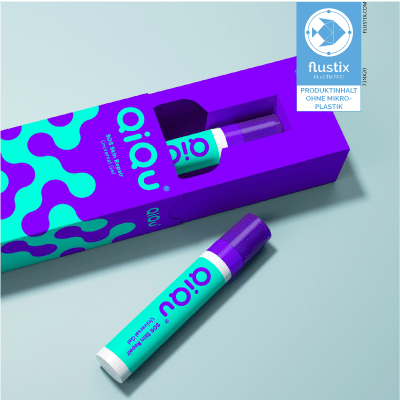
These solutions include biostimulants. These are substances or microorganisms such as microbe cultures that are applied to the seed or plant to stimulate growth naturally. These substances are distributed as pellets, in liquid or in powder form – basically microplastic-free, independently tested by flustix and certified with the seal flustix PRODUCT CONTENT WITHOUT MICROPLASTICS.
Contribute actively to the protection of our soils and communicate credibly the sustainability commitment of your company – certify your products now with the seal flustix PRODUCT CONTENT WITHOUT MICROPLASTICS.
flustix CONTENT FREE OF MICROPLASTICS
This flustix seal certifies products, especially liquid product contents, that are free of microplastics. flustix tests and certifies with its accredited partners based on the to date only internationally respected and followed microplastics definition by ECHA (incl. ISO/TR 21960:2020 Plastics – Environmental aspects – State of knowledge and methodologies).

Our partners


flustix Product seals
Plastikfreies Gesamtprodukt
Dieses flustix Siegel stellt einen Meilenstein im Verbraucherschutz dar. Erstmalig können Hersteller durch ein unabhängiges Zertifikat nachweisen, keinerlei Kunststoffe an den Endverbraucher zu vermarkten – sowohl im Produkt als auch in der Verpackung.
Produktinhalt ohne Mikroplastik
Dieses flustix Siegel zertifiziert Produkte, die ohne Mikroplastik auskommen. Meist handelt es sich dabei um flüssige Produktinhalte aus dem Kosmetik- und Waschmittelbereich. flustix prüft und zertifiziert mit seinen akkreditierten Partnern auf Basis der bisher einzigen international angesehenen Mikroplastikdefinition von ECHA (inkl. ISO/TR 21960:2020).
RECYCLABLE
flustix RECYCLABLE zeichnet Recyclingfähigkeit von Verpackungen aus. Die Basis der Überprüfung bildet eine Laboranalyse, in der die Rezyklierbarkeit der in der Verpackung verwendeten Materialien nachgewiesen wird. Die unabhängige Zertifizierung kann B2B und B2C verwendet werden.
RECYCLED
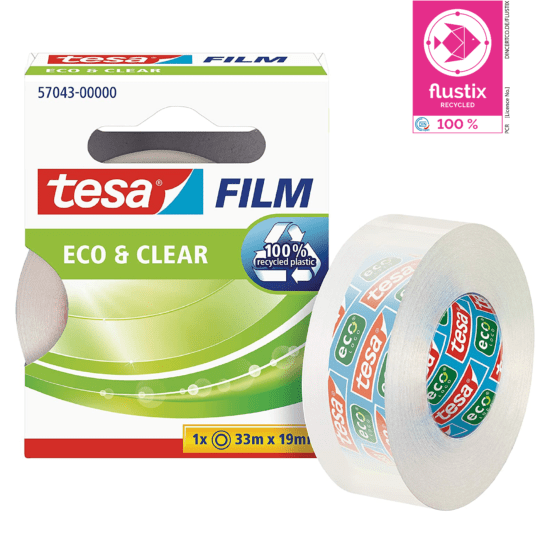
flustix RECYCLED macht den Einsatz von Rezyklaten glaubwürdig sichtbar. Neben Endprodukten können auch Flakes, Mahlgut, Rezyklate selbst sowie Halbzeuge zertifiziert werden. Der Prozentsatz der eigesetzten Rezyklate sowie die Materialart (PCR/PIR/MIX) werden am Siegel gekennzeichnet. Das flustix RECYCLED Siegel birgt Vorteile bei der Öffentlichen Beschaffung und spart Umlagekosten im Dualen System.
Plastic free packaging
Products that are packaged without plastic can be labeled with this flustix seal. The seal is awarded exclusively to the packaging, not to the contents.
Numerous products, for example in the field of technology, can hardly do without plastic. Plastic-free packaging, on the other hand, is very possible – and above all sustainable.
Plastikfreies Produkt
Dieses flustix Siegel ist erhältlich für Gesamtprodukte, die keine Kunststoffe enthalten, aber in Plastik verpackt sind – oder vielmehr sein müssen, beispielsweise aus hygienischen Gründen.
flustix Product seals
Completely free from plastics
This flustix seal represents a milestone in consumer protection. For the first time, manufacturers can prove through an independent certificate that they do not market any plastics to the end consumer – both in the product and in the packaging.
RECYCLED
flustix RECYCLED makes the use of recyclates credibly visible. In addition to end products, also flakes, regrind, recyclates themselves as well as semi-finished products can be certified. The percentage of recyclates used as well as the material type (PCR/PIR/MIX) are marked on the seal. The flustix RECYCLED seal offers advantages in public procurement and saves costs in the Dual System.

RECYCLABLE
flustix RECYCLABLE marks the recyclability of packaging. The basis of the verification is a laboratory analysis in which the recyclability of the materials used in the packaging is proven. The independent certification can be used B2B and B2C.
Product contents without microplastics
This flustix seal certifies products that do not contain microplastics. Mostly, these are liquid product contents from the cosmetics and detergent sector. flustix tests and certifies in cooperation with its accredited partners based on the so far only internationally respected microplastic definition by ECHA (incl. ISO/TR 21960:2020).

Plastic-free packaging
Products that are packaged without plastic can be labeled with this flustix seal. The seal is awarded exclusively to the packaging, not to the contents.
Numerous products, for example in the field of technology, can hardly do without plastic. Plastic-free packaging, on the other hand, is very possible – and above all sustainable.

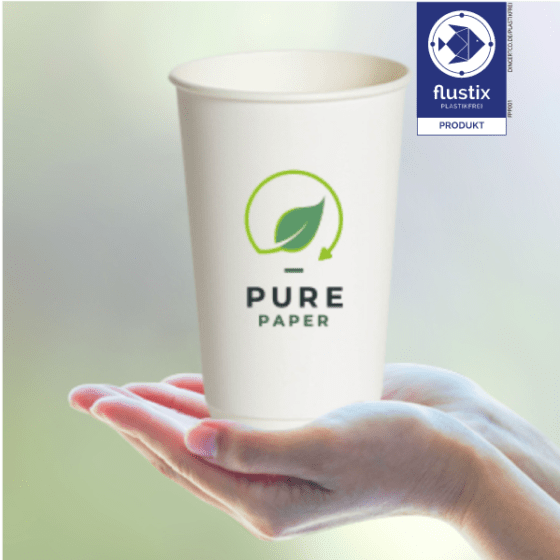
Plastic-free product
This flustix seal is available for entire products that do not contain plastics but are – or rather must be – packaged in plastic, for example for hygienic reasons.
Certified products