
Microplastic pollution could change the ecosystem
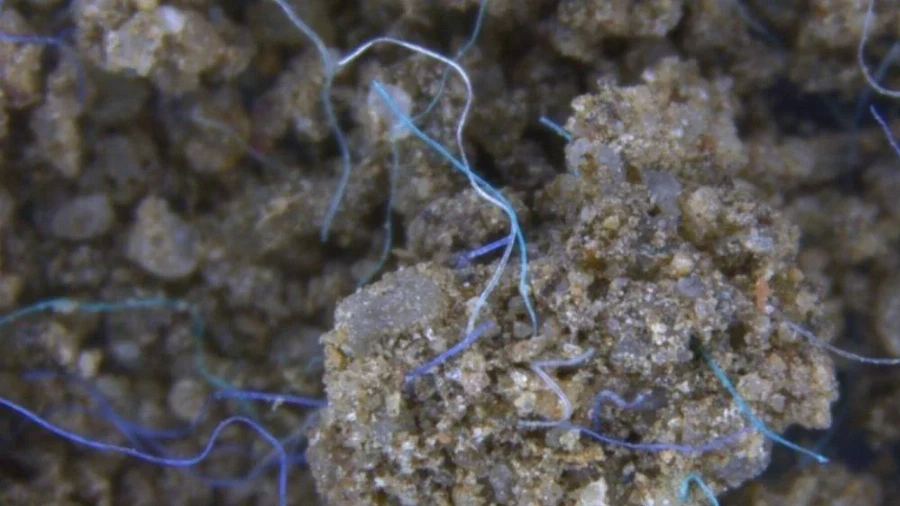
It is not only the seas and other waters that are contaminated with microplastic particles, some of them toxic – soils are probably affected to a far greater extent, and people take the particles in with their food.
In the seas the modern wonder material plastic accumulates into vast islands, trickles down to the seabed as microplastics and thus leads to plastic pollution. Animals ingest it along with the toxins it carries, so that it ultimately ends up in the human body as well (Müllhalde Ozean). And it keeps getting worse. In 2016, 335 million tonnes of plastic were produced worldwide. Without plastic agriculture would no longer function; entire regions are disappearing beneath a sea of plastic that spreads accordingly across the land and into the groundwater (“Europe’s largest greenhouse” seen from space).
The accumulation of plastic waste
In every food shop, organic stores included, plastic is omnipresent, even if paper bags are now offered for packing, more as a symbolic gesture. In households, in technology and in industry, plastic is everywhere. More than 8 billion tonnes of plastic have been produced worldwide in 60 years; almost 5 billion tonnes have so far ended up in the environment or on landfill sites (Billions of tonnes of non-biodegradable plastic waste have accumulated in the environment).
Microplastic pollution burdens soils too
The problem has long been known. As easy as plastic is to produce and as practical as it is, it is equally problematic, because as a rule it is not biodegradable but breaks down and then, in the form of microparticles, is deposited everywhere in the environment and in bodies. That the problem by no means extends only to the seas and inland waters but to soils as well has now been shown by scientists from the Leibniz Institute of Freshwater Ecology and Inland Fisheries (IGB) and the Free University of Berlin in a study published in the journal Global Change Biology.
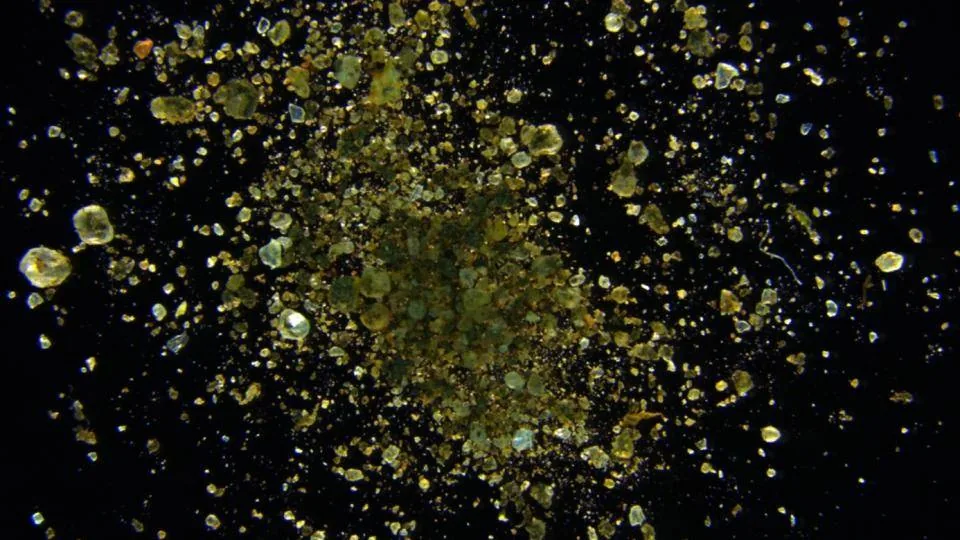
Loamy sandy soil. Image: Abel de Souza Machado
Contamination on land is higher than in the sea
The scientists evaluated studies on the effects of microplastics (particles smaller than 5 mm) on terrestrial ecosystems. It shows that plastic particles created by the breakdown of larger pieces are present practically everywhere in the world. Apparently we are coating the world with plastic in a planetary experiment. Not only does it lie around everywhere, unsightly and unappetising: the tiniest plastic particles, which at nano size can penetrate practically anywhere, bring a whole series of hazards with them. IGB scientists had previously shown that microplastics are harmful to ecosystems when they are ingested by certain organisms in lakes.
According to the study, contamination by microplastics on land is far greater than in the seas. Microplastics spread among other things through waste water: “80 to 90 per cent of the particles it contains, from clothing fibres for example, remain in the sewage sludge. This is frequently spread on fields as fertiliser, which means that many thousands of tonnes of microplastics end up on our soils every year.”
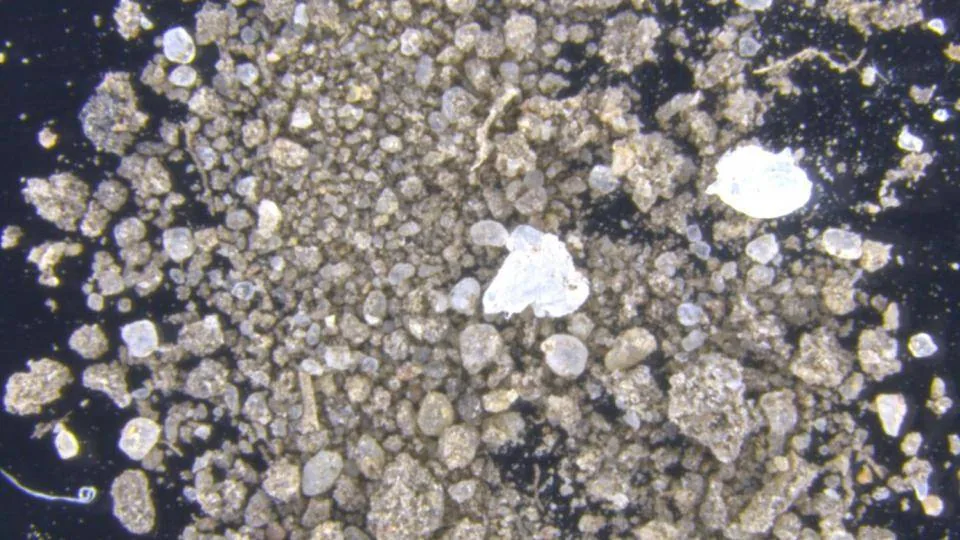
Polyethylene beads in high density. Image: Abel de Souza Machado
Nanoparticles can penetrate cells and cross the blood-brain barrier
Microplastics can damage ecosystems directly. As they break down, plastic particles acquire new physical and chemical properties that can be toxic. Pathogenic organisms can colonise the surfaces of microplastic particles and spread diseases into the environment. Animals in the soil, and the soil itself, can also be affected. Earthworms are cited as an example: in the presence of plastic particles in the soil they build their burrows differently and thereby change their behaviour and the condition of the soil. Altered chemical properties can bring greater risks, however. As the material decomposes, additives such as phthalates and bisphenol A are released that disrupt the hormone system in vertebrates as well as in some invertebrates. And that is not all:
“Nano-sized particles can also trigger inflammation, cross or alter cell barriers and even pass particularly selective membranes such as the blood-brain barrier or the placenta. Within the cell they can, among other things, trigger changes in gene expression and biochemical reactions. What long-term effects this has is not yet sufficiently researched. In fish at least it has already been demonstrated that nanoplastics alter behaviour after crossing the blood-brain barrier.”
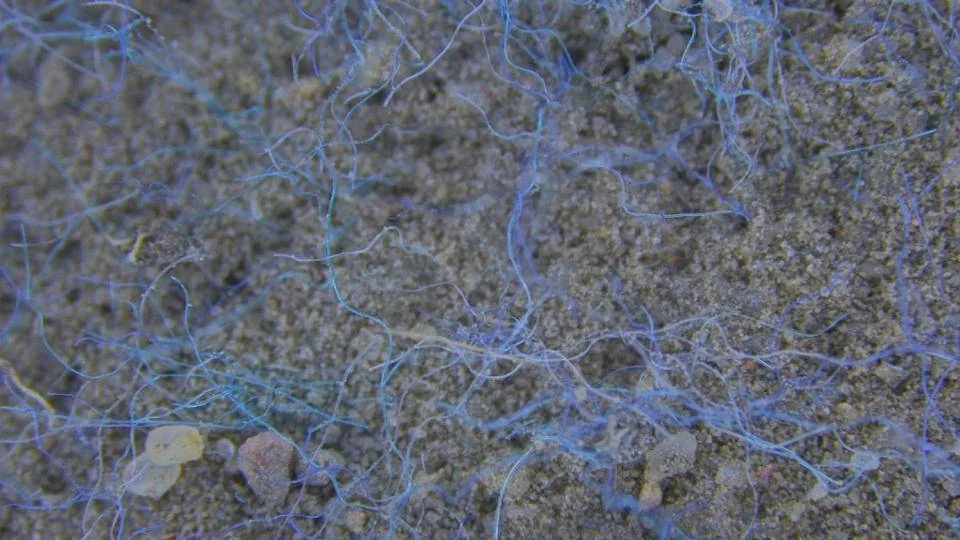
Polyacrylic fibres in the soil. Image: Abel de Souza Machado
Microplastics in our food
It is not only animals that take in microplastic particles with their food – so, of course, do people, when they eat fish or seafood. The particles have also been found in salt, sugar and beer. They probably accumulate in all land-dwelling creatures, including humans. But the scale and the risks are largely unknown owing to a lack of studies, difficult detection methods and missing standards. The scientists suspect that microplastics could be a new “long-term stress factor for the environment” and could prove to be an “emerging global threat to terrestrial ecosystems”.
Harmful environmental consequences of microplastics
When I asked Abel de Souza Machado, who led the study, whether there are investigations into the extent to which micro- or nanoplastic particles are found in or accumulate in people, he wrote: “There are indications of significant human exposure through food intake and breathing. Harmful consequences have been discovered, for example, in workers exposed to high levels of microplastics. There is a recent report on the link between human health and microplastics by Wright & Kelly, but information on the precise levels for the population as a whole is lacking. To my knowledge there is no study beyond laboratory research that has investigated the bioaccumulation of nanoplastics. In this case there is a technical hurdle in identifying and quantifying such small plastic particles in human tissue.”
This article first appeared on Telepolis. Author: Florian Rötzler