
INDEPENDENT. RECOGNIZED. SECURE.
Legally sound certification:
Free Claim Checkflustix blog
22 articles in this category.
Since 2023, food outlets have had to offer reusable packaging. We tried it at the counter: where it works, where it fails and what guests have to do.

Millions pedal in the gym every day without producing any electricity. We work out how much one person on an ergometer delivers and why it barely pays off.
Toilet paper without a cardboard core promises 40 per cent less waste. We do the maths on what the roll really saves and where the claim falls apart.
Fast fashion is one of the biggest environmental sins that happens every day and is uncontrolled on our planet: Hundreds of thousands of pieces of low-quality textiles are put into circulation every day. In particular, one Chinese online giant is dumping the cheapest textiles, primarily on children and young people. The environmental organization Greenpeace …

The German national team has already bowed out of the World Cup in Qatar after the preliminary round – an embarrassment for fans, and an economic disaster for the sponsor Adidas. The World Cup is usually a booster for the lucrative business with Germany’s jerseys. This year, however, everything went wrong. Even before the …
The Netflix movie “Don’t Look Up” is polarizing. If you look at the various rating portals on the Internet, you will notice that there are only a few differentiated ratings – but the number of top and flop ratings is high in each case. This phenomenon also describes the state of our society. While …

The daily news about extreme weather disasters, deadly forest fires, melting glaciers and climate crisis denying heads of state are inflationary and disillusioning – we from flustix therefore also look at the positive things. Here are five pieces of news that give us hope that our efforts for a better world are worthwhile. …
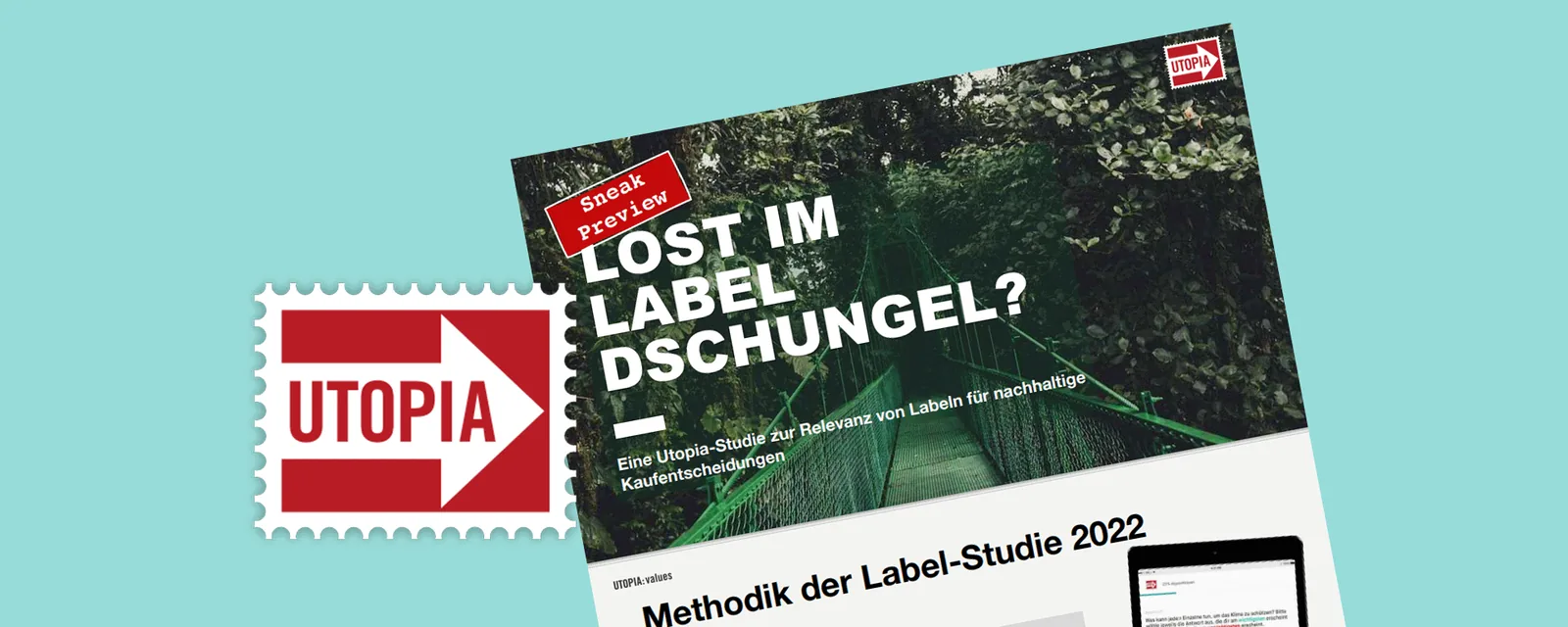
Bio and vegan, MSC and Oekotex: on the yogurt pot, the sock wrapper or the glass cleaner – small colorful sustainability seals are now plastered everywhere, often even several next to each other. Can anyone still see through all this? The news portal Utopia, which specializes in sustainability, asked 3002 participants online for a …
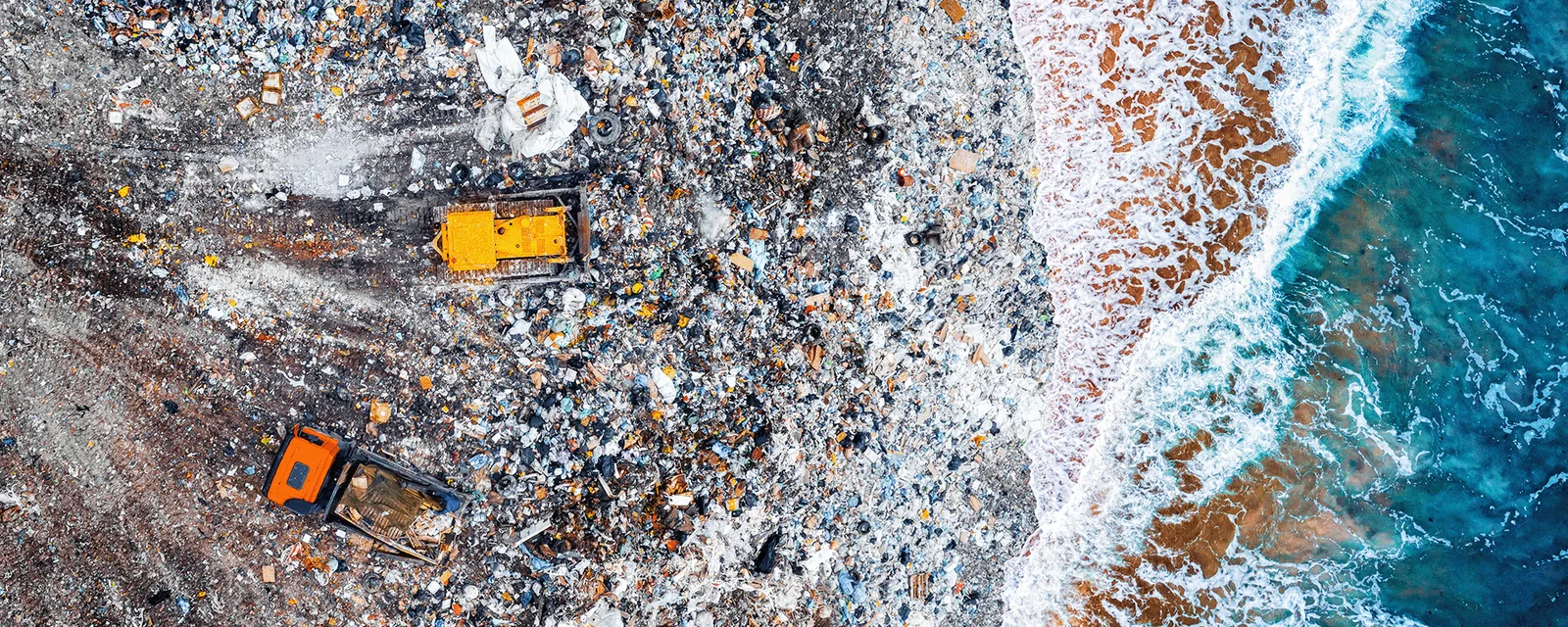
Do German companies continue to export plastic waste to Turkey and Southeast Asia despite the ban? Research by Greenpeace suggests that they do: using trackers, the environmental protection organization has followed plastic waste shipments from Germany. About a third of the samples ended up abroad. One trail leads to Turkey With the hidden …

Plastics are unstoppably making their way through: for the first time, researchers have now detected microplastics in breast milk. Of the 34 samples examined, 26 were contaminated. Frightening: Because no connection with the diet or the use of certain personal care products of the mothers could be proven, the research team assumes that the …

Gold is one of the most sought-after precious metals. Gold jewelry expresses special appreciation for the person receiving the gift. Investments in gold reserves are considered particularly safe. The term gold has positive symbolic power. If something is “worth its weight in gold”, then it is particularly valuable. Today, we turn the gold medal around …
Dear people, a heated discussion has flared up about the German recycling system. It was triggered by the ARD documentary “Die Recyclinglüge” (The Recycling Lie), which was broadcast in mid-June. The two authors Tom Costello and Benedikt Wermter take an all-round look and come to the conclusion: the recycling industry has failed. Our efforts …
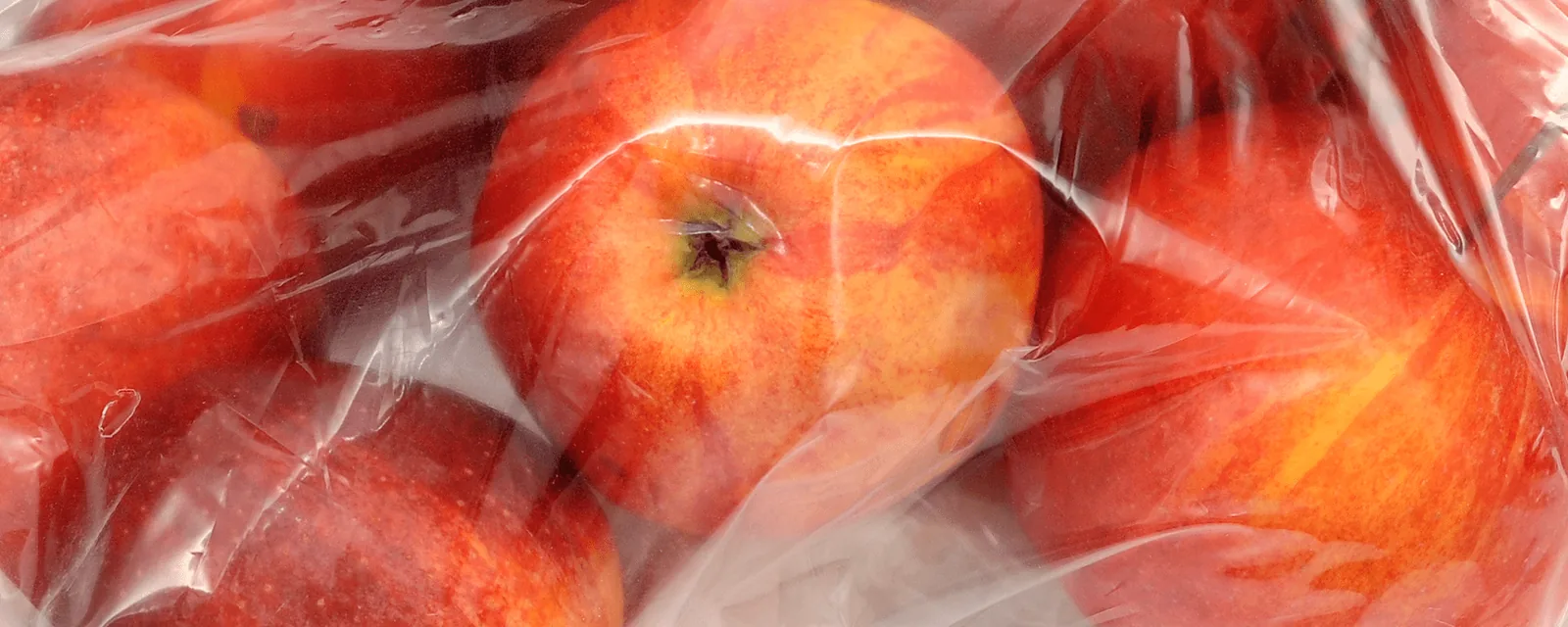
The health hazard is invisible – and is now present in countless foods. Chemicals from plastic packaging can “migrate” into the products. Fatty and sour foods are particularly at risk. We explain which substances are dangerous – and show you the cleverest alternatives. Yogurt and lemonade, sausage and vegetables, oil and gummy bears – most …
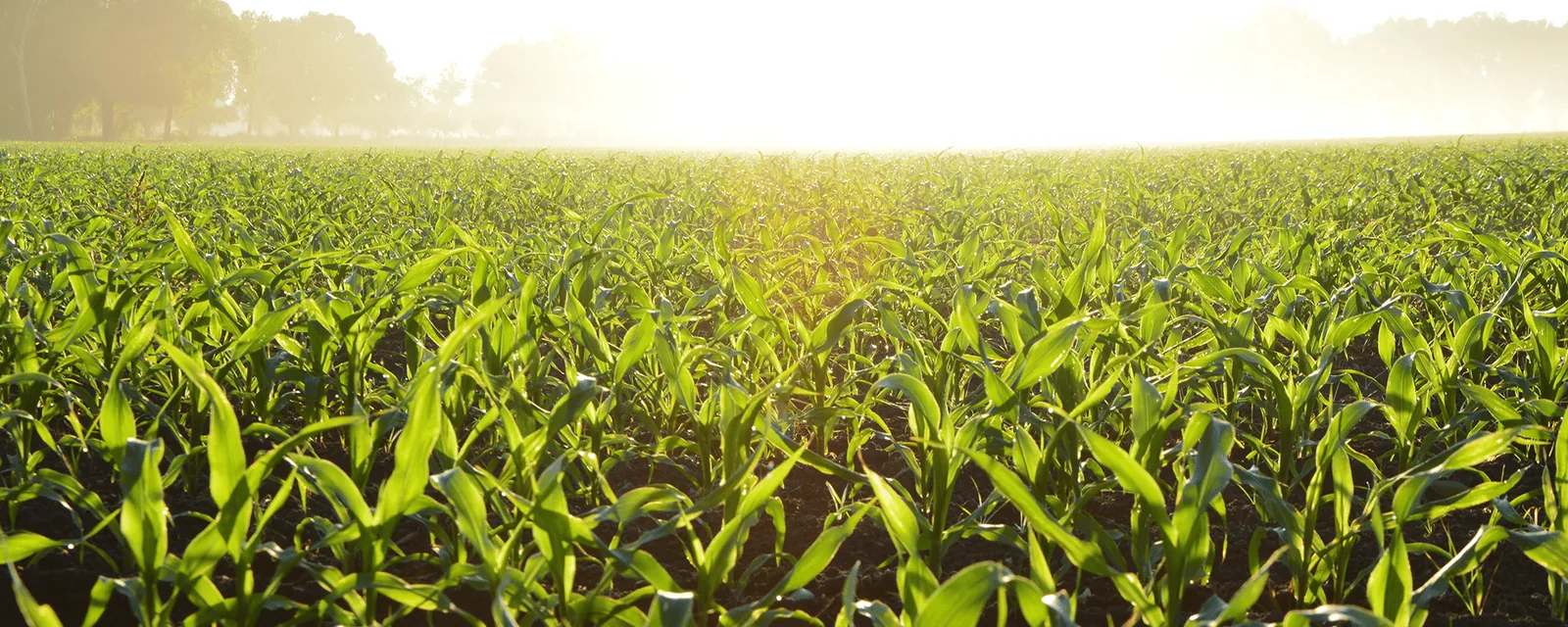
What do plastics do in the fields? Nothing, according to common sense. Nevertheless, more than 13,200 tons of plastic and other synthetic materials end up in our fields every year. Yet every year, more than 13200 tons of primary plastics and other synthetic materials end up in our fields due to their use in agriculture. …
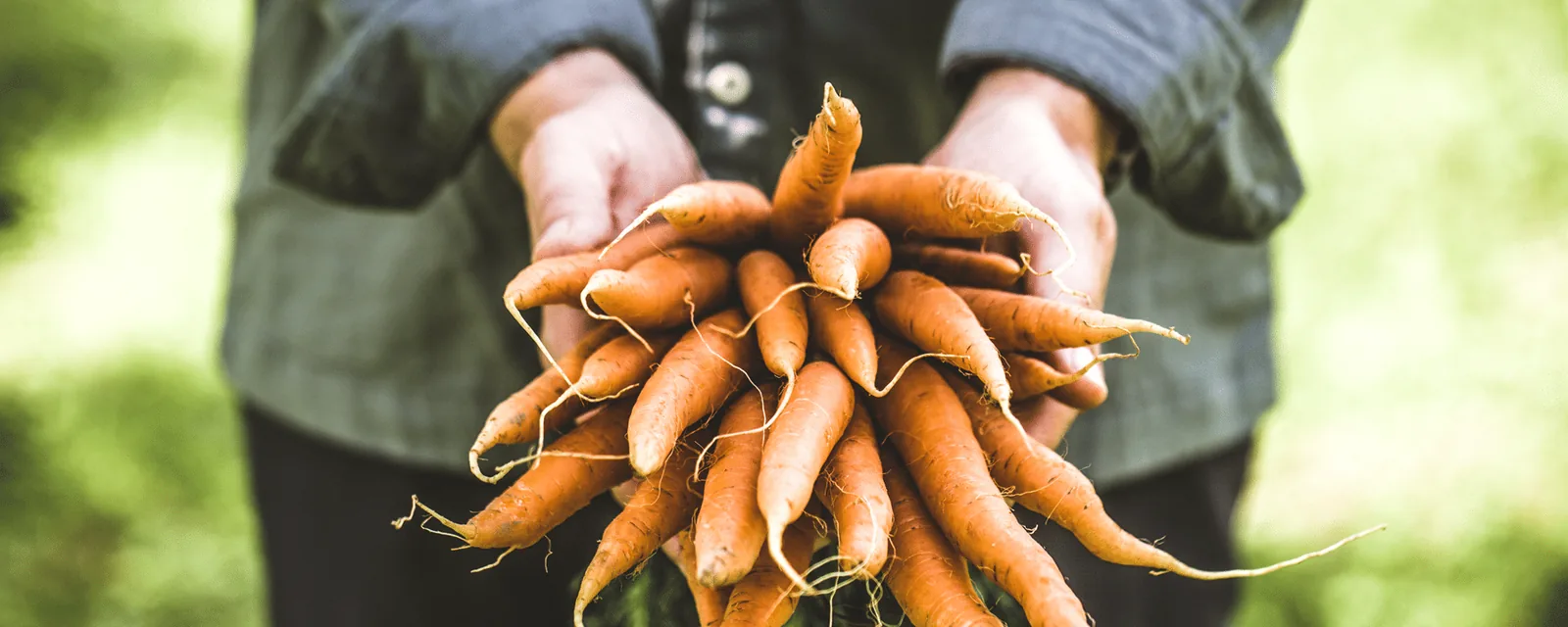
Today, scientists all around the world are researching how microplastics affect our lives. Unfortunately, it has long been a certainty that we ingest plastic particles every day when we eat and drink. With fish and shellfish, salt, or water from plastic bottles, the particles are smuggled into the body. Now, in several studies, researchers have …
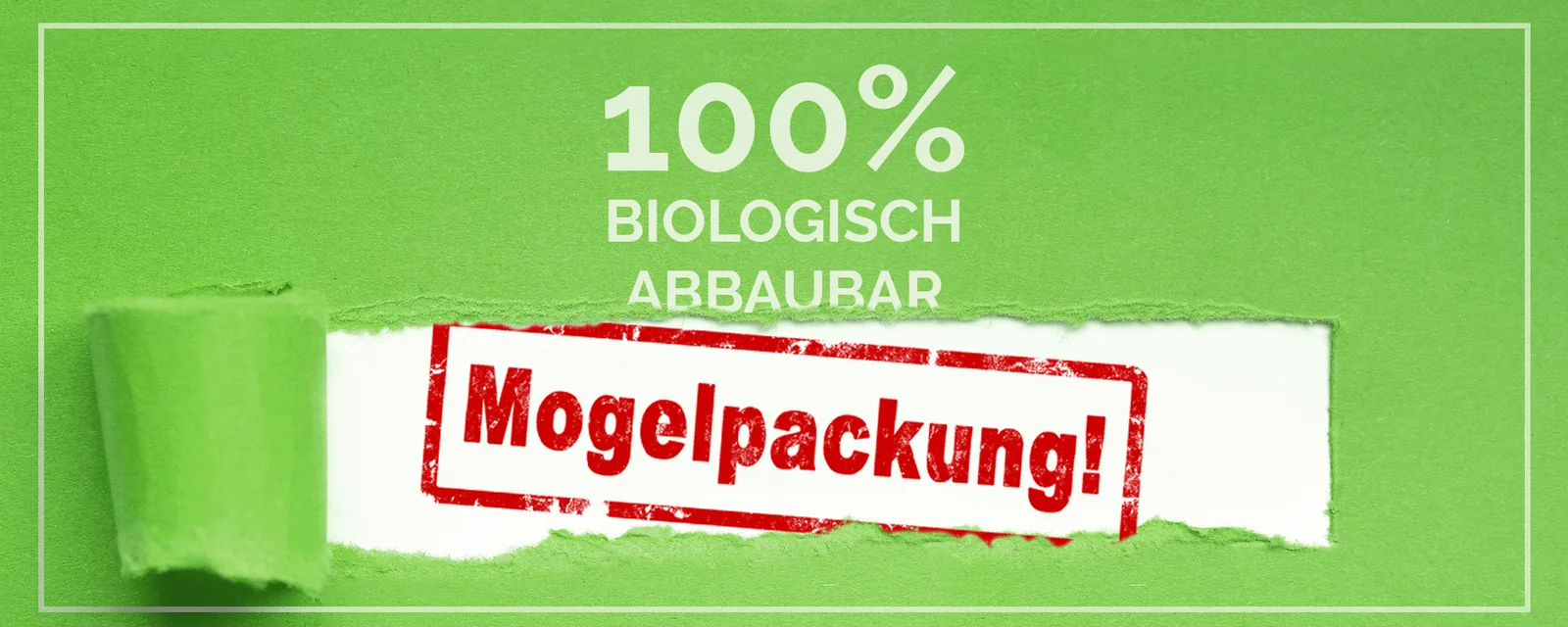
Since there are garbage bags, packaging and dishes made of bioplastics, they often end up in the organic waste, on the compost or in the forest. That sounds logical, as bioplastics decompose completely. Or do they? Theoretically yes – but in practice mostly not (yet). There are four major problems, including the fact that there …
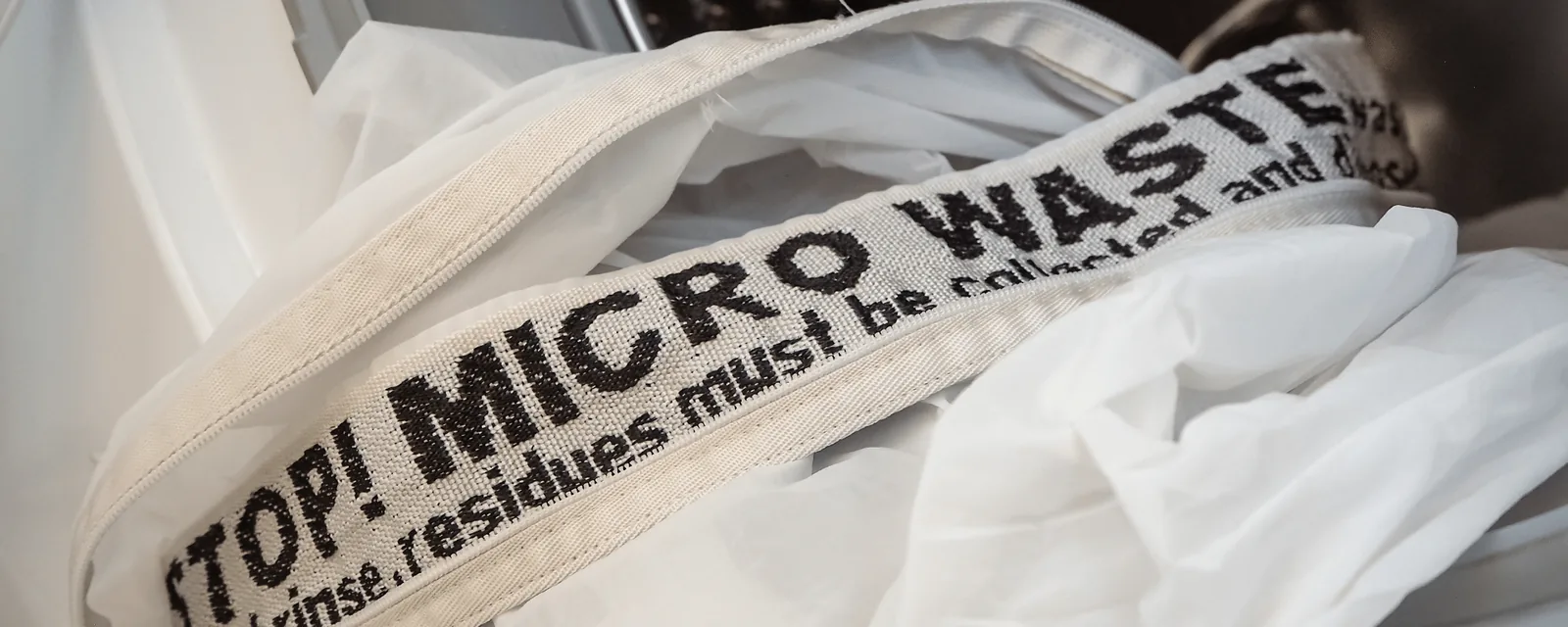
Microplastics from cheap clothing: The contamination of our planet begins in our closets. Every time we use a T-shirt or jeans, microfibers get released. Especially when we wash them: Up to nine million microscopic fibers enter wastewater treatment plants through a normal wash cycle. Half of these are filtered out – the rest end up …

Concepts for the ‘oceans’ rubbish collection’ Part two of our series continues where the excitement left off. After Boyan Slat set off into the Pacific with the Ocean Clean Up team – we will bring you an update on that soon – the next good idea for clearing the oceans of plastic waste is already here: The Pacific Garbage Screening The …
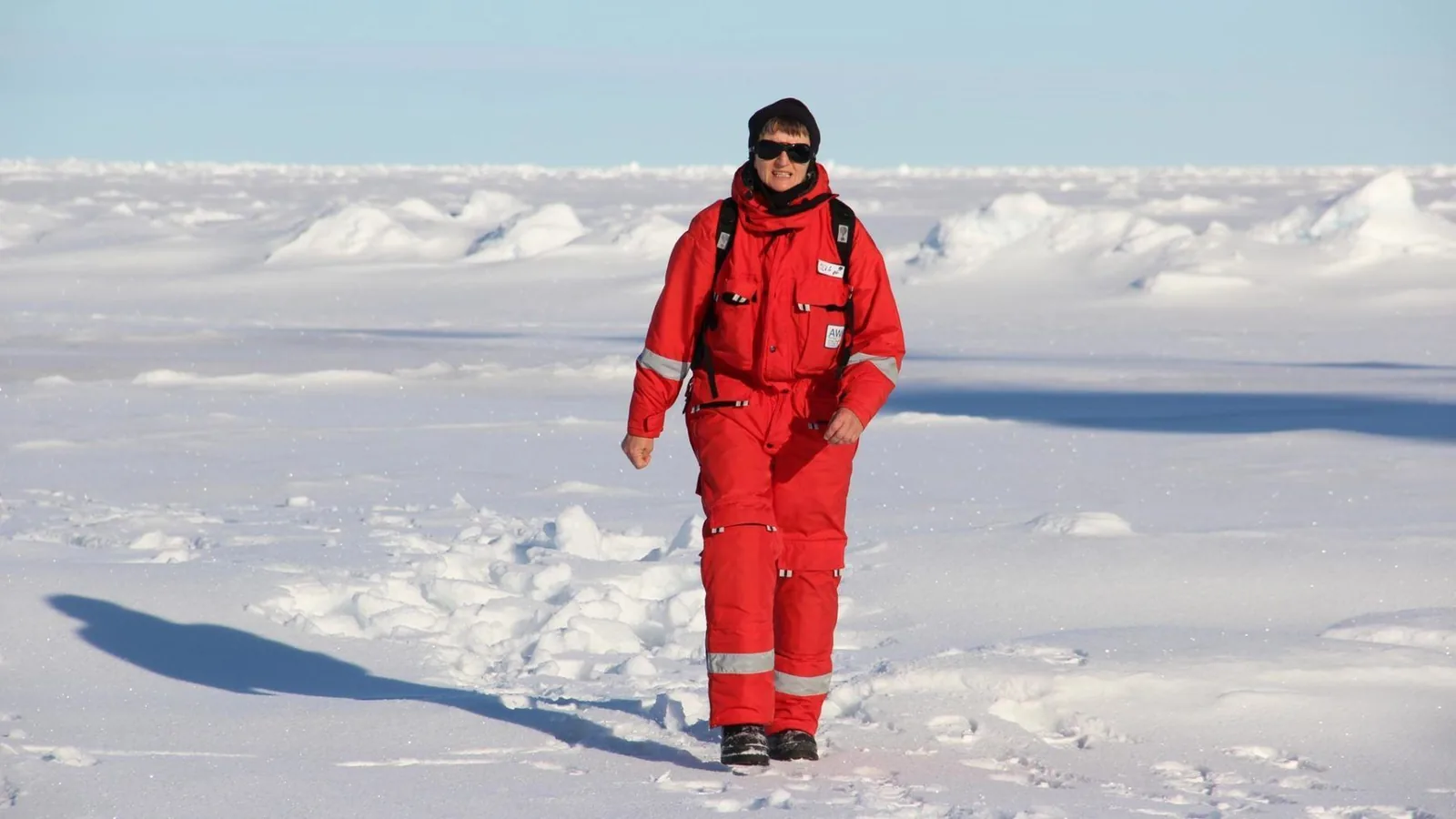
FLUSTIX: What did you find in the Arctic, how far did the results shock you, and how bad is the scale of it? Dr Ilka Peeken: We found more microplastics in Arctic sea ice than ever before. Most of the particles, however, were smaller than a twentieth of a millimetre. In the ice samples from five different regions of the …

The pollution of our environment with plastic is advancing: the recent reports of microplastics in breast milk and in the placenta are especially alarming. If even the unborn child in the womb is exposed to the flood of plastic, how is a healthy life still supposed to be possible? Questions force themselves upon us: what do microplastics do to our children? And: …
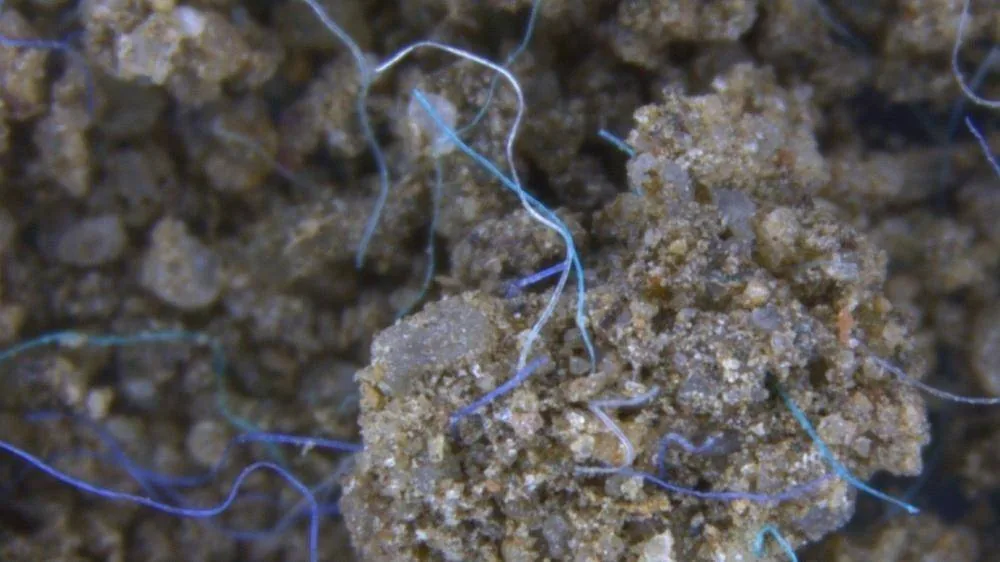
It is not only the seas and other waters that are contaminated with microplastic particles, some of them toxic – soils are probably affected to a far greater extent, and people take the particles in with their food. In the seas the modern wonder material plastic accumulates into vast islands, trickles down to the seabed as microplastics and leads …
Do you think that products and packaging contain too much plastic? As we found out, you are fortunately not alone in that. We wanted to know exactly what Germans think of plastic and commissioned a study in September 2017. What do Germans think of plastic? Did you know, for example, that 71 per cent of Germans already …