
INDEPENDENT. RECOGNIZED. SECURE.
Legally sound certification:
Free Claim Checkflustix blog
13 articles in this category.
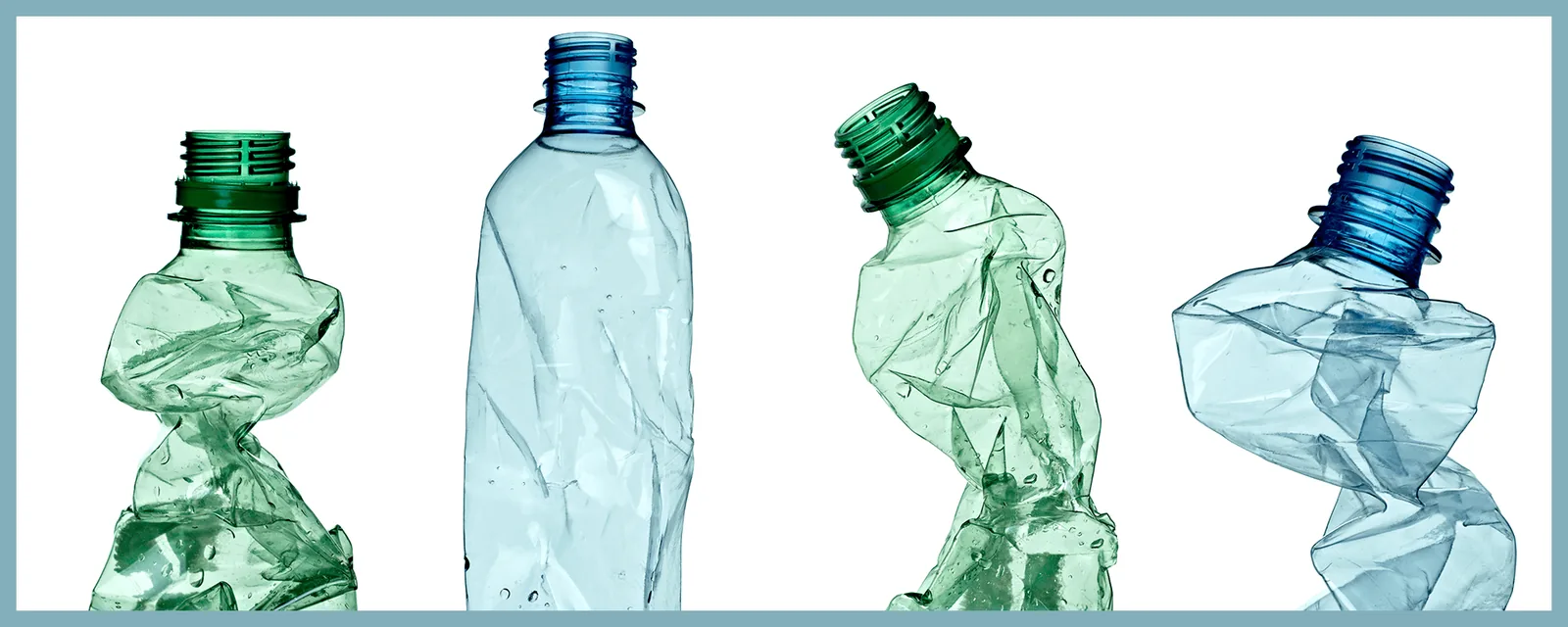
German recycling companies are under pressure: the sharp rise in production costs is offset by a consistently high price for used PET bottles and flakes. The reason is obvious: despite increased prices for crude oil, fresh plastic is still cheaper than recycled material. For example, one metric ton of PET for packaging cost 1450 …
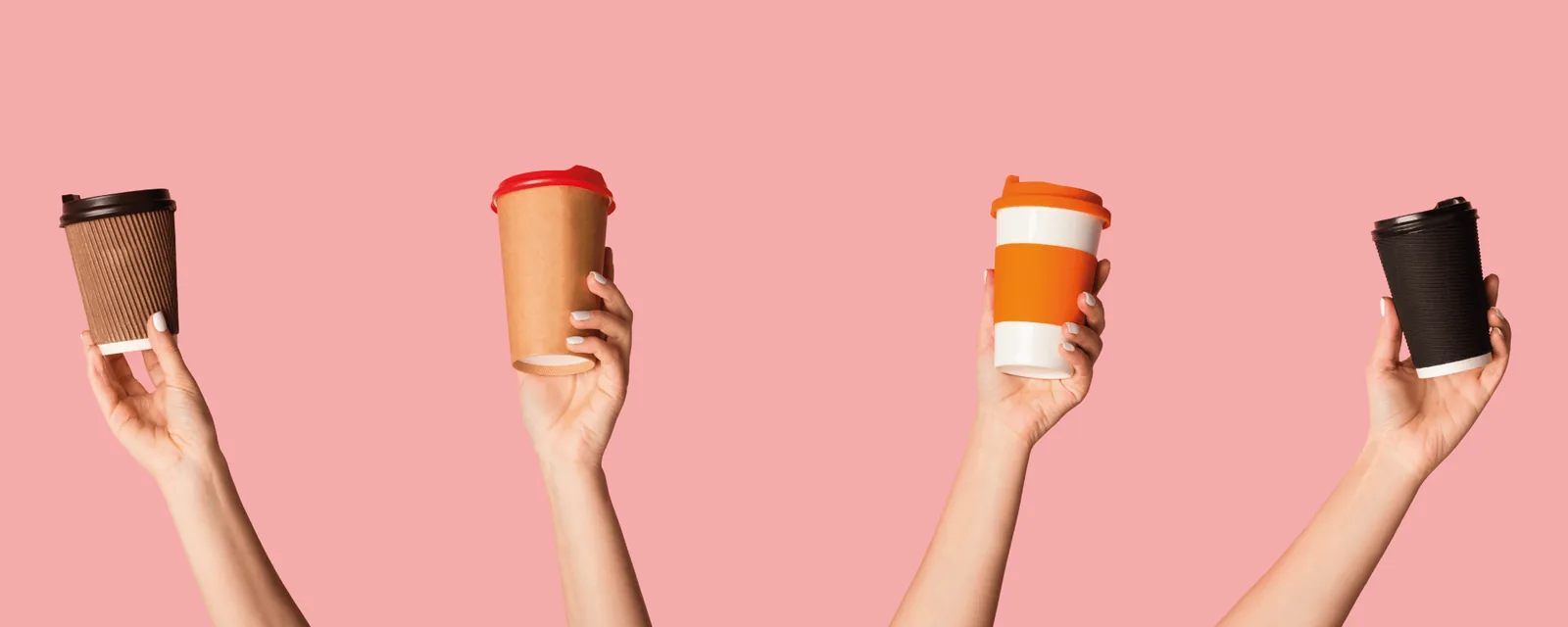
The German Federal Ministry for the Environment and Consumer Protection explains the most important rules of the new law. Reusable alternative must not be more expensive than disposable “Restaurants, bistros and cafés that sell food on the go will be required to offer their products in both disposable and reusable packaging from 2023. …

At the start of the new mandatory reusable offer for food and beverage containers, we have to state after a few days: The thing runs sluggishly. The efforts of most catering establishments to get the cycle going are limited. Consumer demand seems to be low at the moment. No wonder, who would buy a …

The EU Commission has launched a strengthening of the Packaging Regulation. A really big thing, bold and ambitious. The central innovations: The proportion of primary raw materials in packaging material is to be drastically reduced and replaced by recyclates. Very good! The greenwashing with so-called bioplastics should be stopped, and the production and labeling …

The epitome of a waste of time are discussions with stubborn climate change deniers about the climate crisis. Apart from irrefutable scientific findings, one’s own eyes, combined with a minimal portion of intellect, are enough to understand: All of the worn-out descriptions from five to 12 to five past 12 no longer apply in …
By our author Carsten Gensing No one wants plastic in their garden, nor in their clothes or even in their food – and certainly not in their own bodies. Yet the stuff is all around us and, unfortunately, inside us. Plastic is the material that dominates everything. With which we run into ruin and …
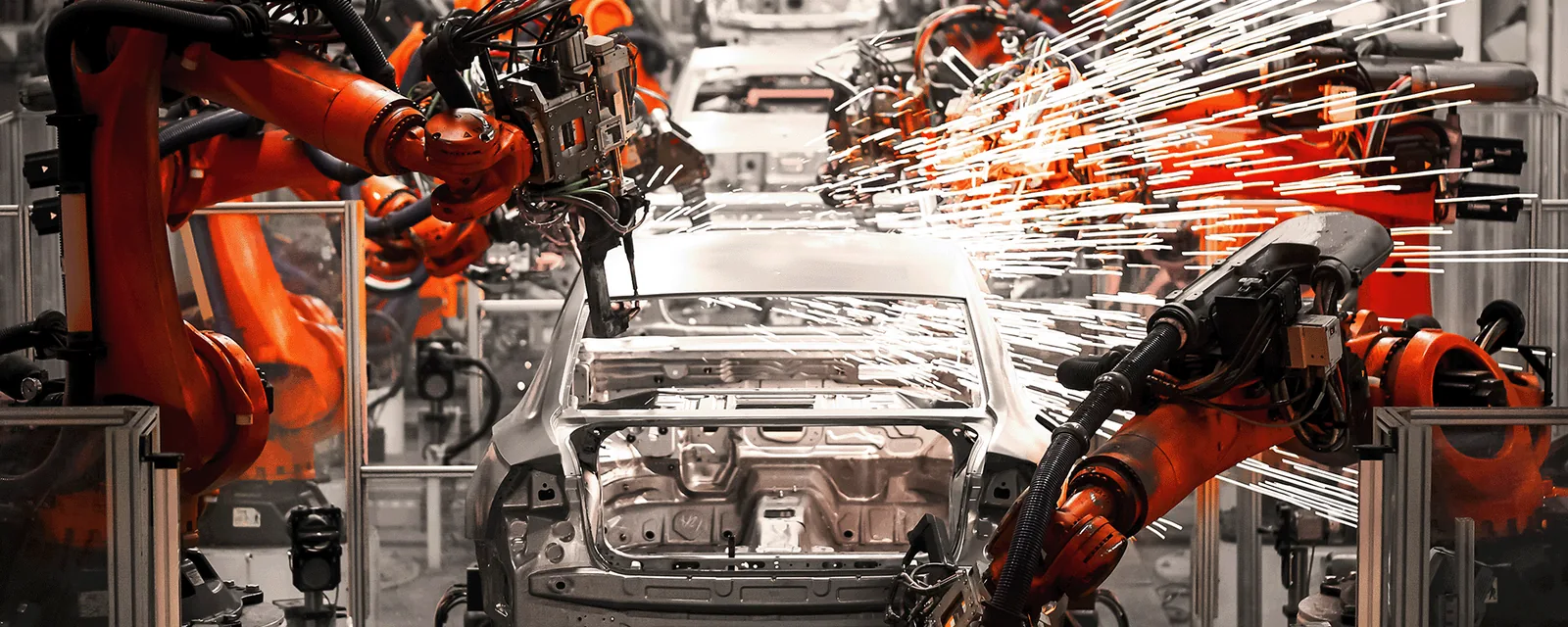
What about the use of recyclates in automotive construction? The trade magazine PLASTVERARBEITER asked industry experts about this – and gives an overview of the areas in which recyclates are already increasingly used. 27 components of the Audi Q4 E-Tron are made from industrial production waste Not only the drive system, but all …
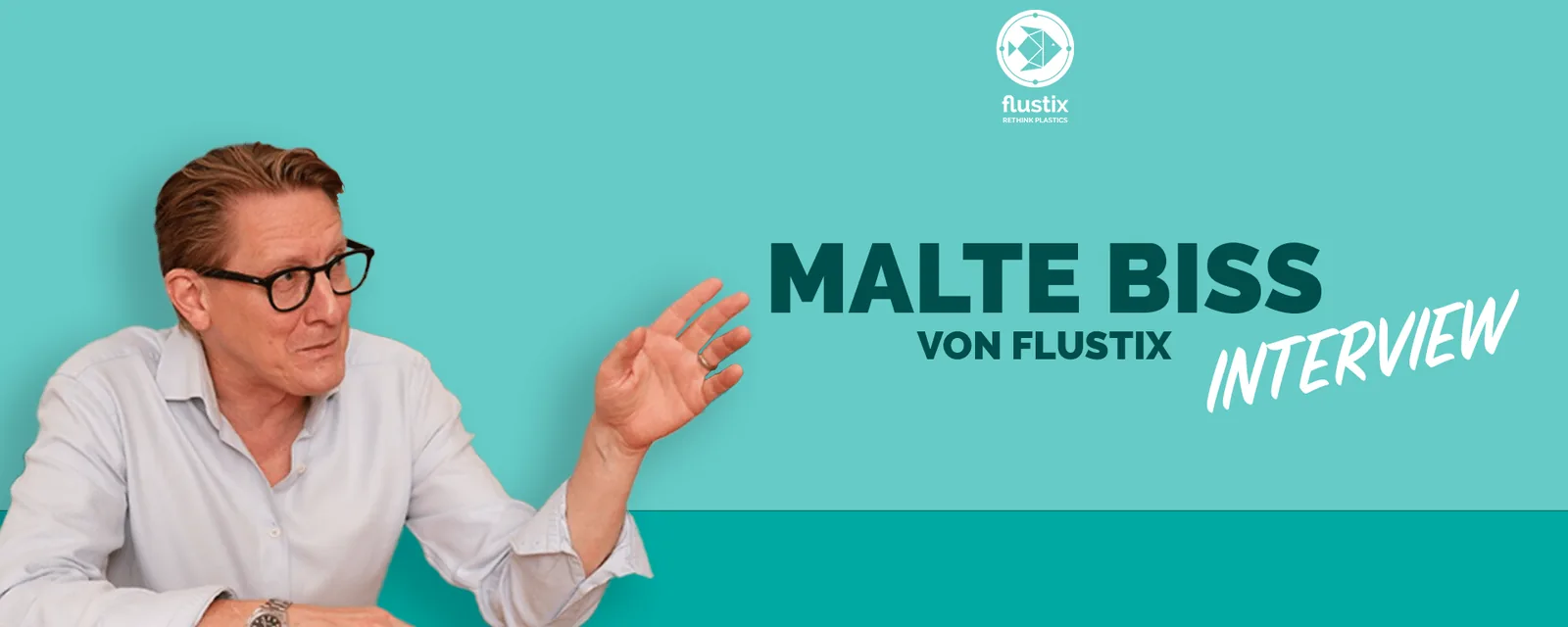
FLUSTIX FOUNDER MALTE BISS IN INTERVIEW Exploding prices for raw materials, a threatening energy crisis, changing purchasing behavior and new requirements for sustainability – the packaging industry is facing enormous challenges. Topics that will be in focus at the upcoming FACHPACK 2022 trade fair and are likely to be a topic at every booth. …
When it comes to PET bottles, we are world champions. We get 25 cents per bottle, so nothing is left lying around. The return rate is more than 97 percent. The recycled material is unmixed and in demand like hotcakes: Foil manufacturers, textile producers and other industries are scrambling for the old bottles to increase …

He describes himself as a “rebel”: With his Biobaula brand of washing and cleaning tabs, Markus Winkler is one of the pioneers in what in German is known as the WPR industry (washing, cleaning and purification products). In an interview with flustix, the 44-year-old reveals how he wants to start an ecological revolution with the …
This must stop, demands Malte Biss, founder and CEO of flustix. Here he explains what effects the hidden subsidies have.By Malte Biss Bundesumweltministerin Steffi Lemke will mit einer Plastikabgabe die Nachfrage nach Rezyklaten, also nach Produkten, die aus recycelten Materialien gewonnen werden, ankurbeln. So eine Maßnahme können wir von flustix nur unterstützen. Wir stehen dafür …
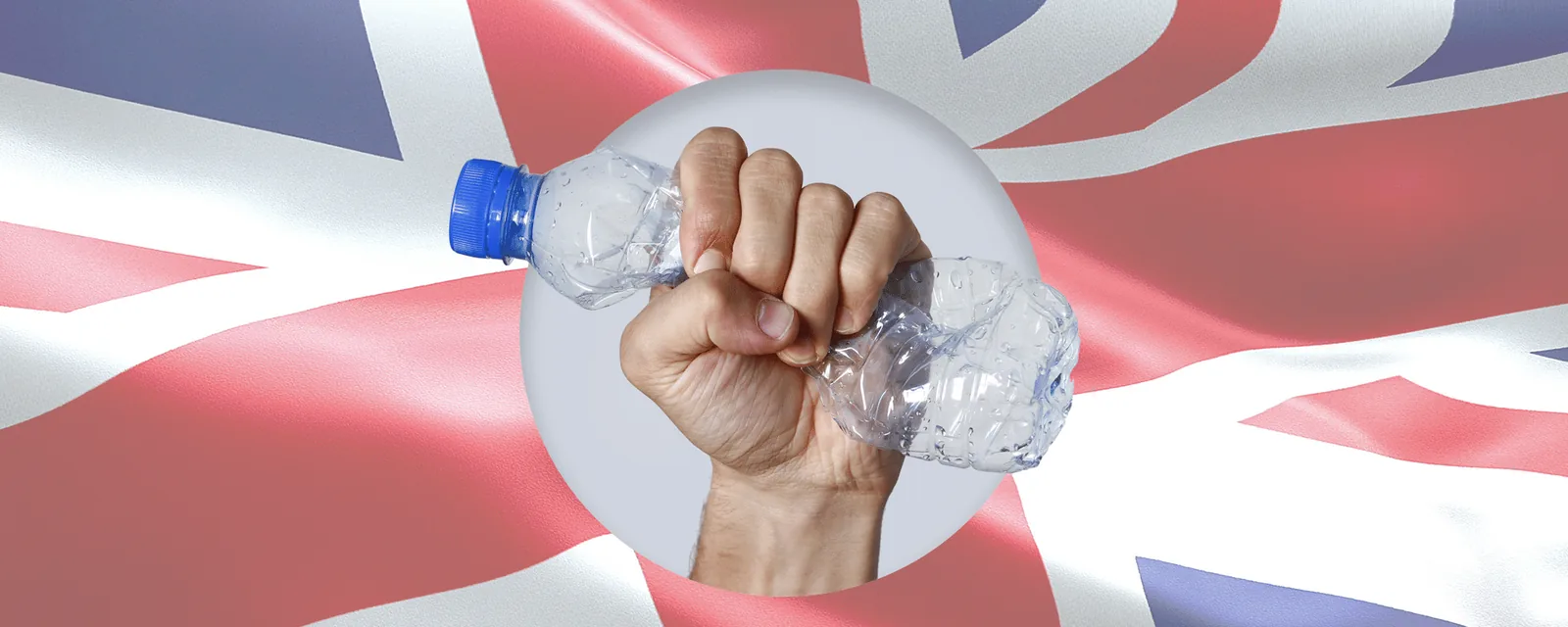
Great Britain is stepping up the fight against the plastic flood: on April 1, the plastic tax came into effect in the United Kingdom. flustix founder Malte Biss explains what this has to do with bioplastics and who will end up paying the bill – here in the blog, and in an interview with the …
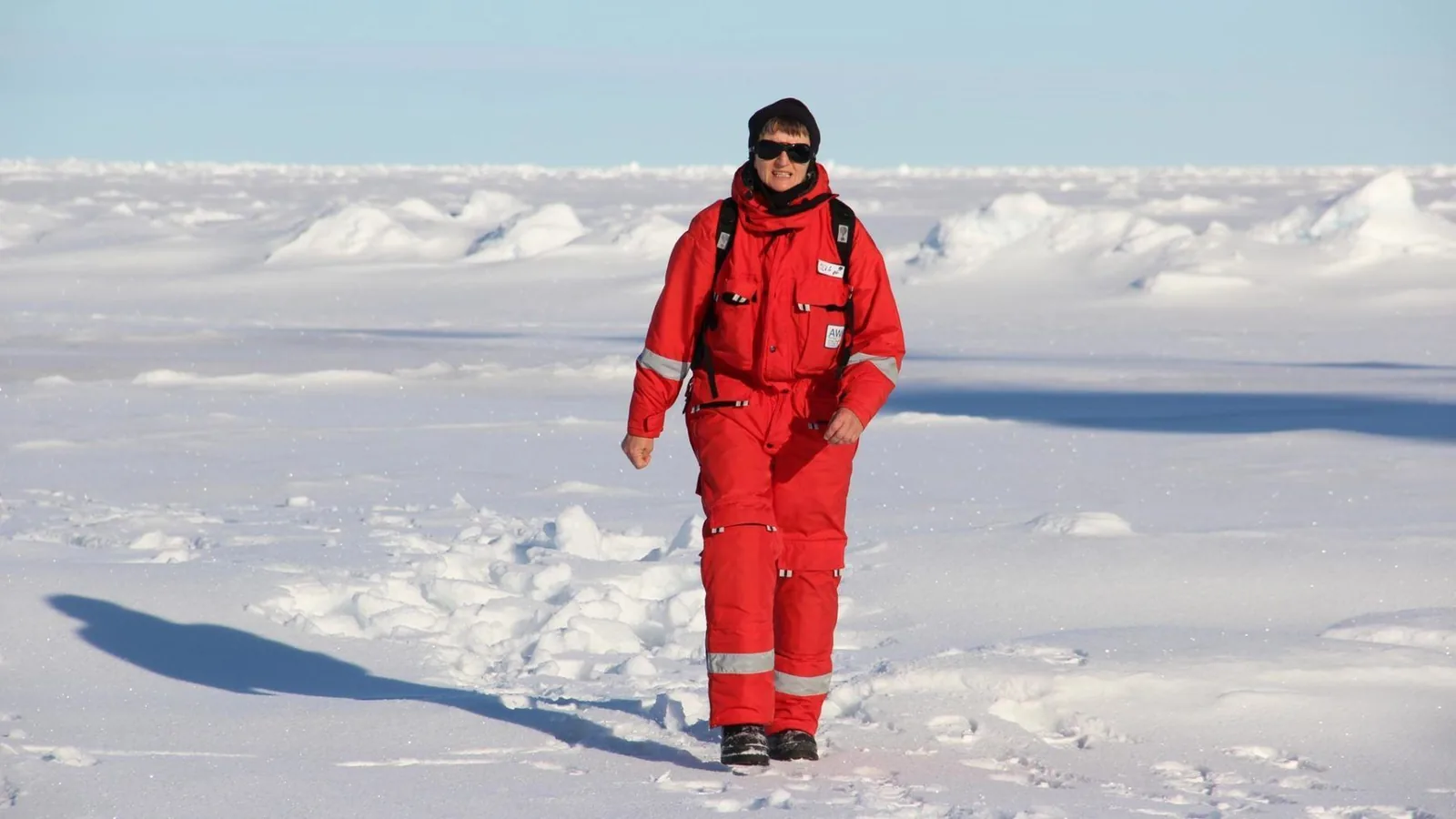
FLUSTIX: What did you find in the Arctic, how far did the results shock you, and how bad is the scale of it? Dr Ilka Peeken: We found more microplastics in Arctic sea ice than ever before. Most of the particles, however, were smaller than a twentieth of a millimetre. In the ice samples from five different regions of the …