Consumer seals: what works, what doesn’t?
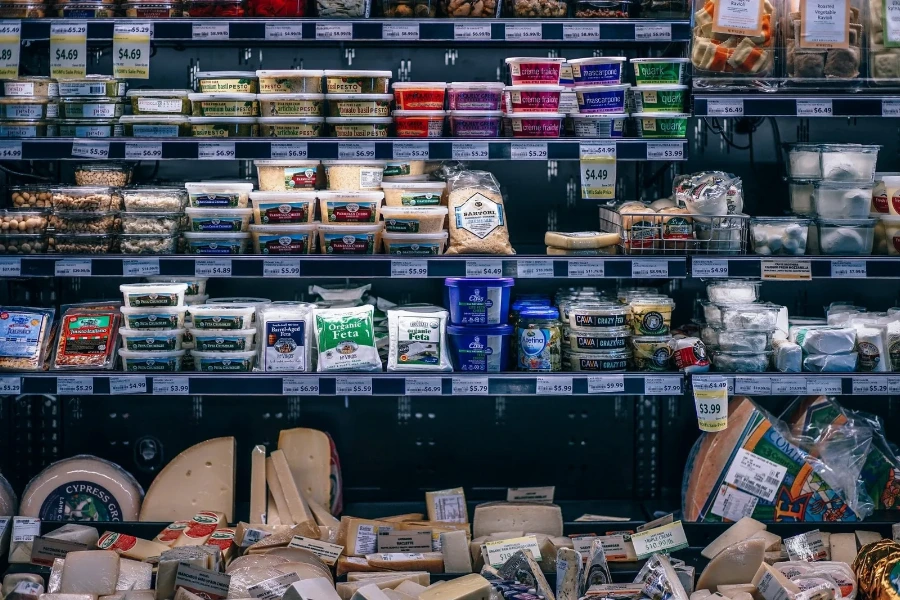
Many consumers consider packaging superfluous for numerous products such as fruit and vegetables. A consumer survey by PricewaterhouseCoopers GmbH Wirtschaftsprüfungsgesellschaft (pwc) has shown that 87 per cent of consumers would buy package-free food if they had the opportunity.
Simple arithmetic, at first glance. But who has not reached for a coffee to go, or for a packaged salad bowl, out of convenience or an urgent need for caffeine now and then? Hand on heart: since the sixties we have unfortunately grown all too willingly accustomed to the comfortable to-go lifestyle. Nor can we turn the clock back completely. But we can certify innovative products that actively reduce the use of plastic and still remain practical.
One successful example of this is BioBaula: ecological, highly effective cleaning products in tab form that simply refill existing spray bottles when dissolved in water. And there are solutions for packaging too. Biofutura makes single-use tableware from sustainably grown palm leaves and sugar cane. Things are happening on the plastic-free market.
Plastic alternatives can achieve a great deal
It pays for industry to rethink existing packaging concepts and to look closely at the use of films and adhesives. For manufacturers who go to that trouble, product seals are an absolute added value. So the plastic-free label is primarily about guidance for consumers and about credibility. Because many manufacturers now recognise the value of sustainable packaging and are happy to fly the “plastic-free” flag – unfortunately often without justification. Elke Salzmann, head of the Berlin consumer advice centre, observes a “competition to reduce plastic” among companies. And large retail chains have announced that they will voluntarily withdraw the plastic straws likely to be banned by the EU in future from their ranges even earlier.
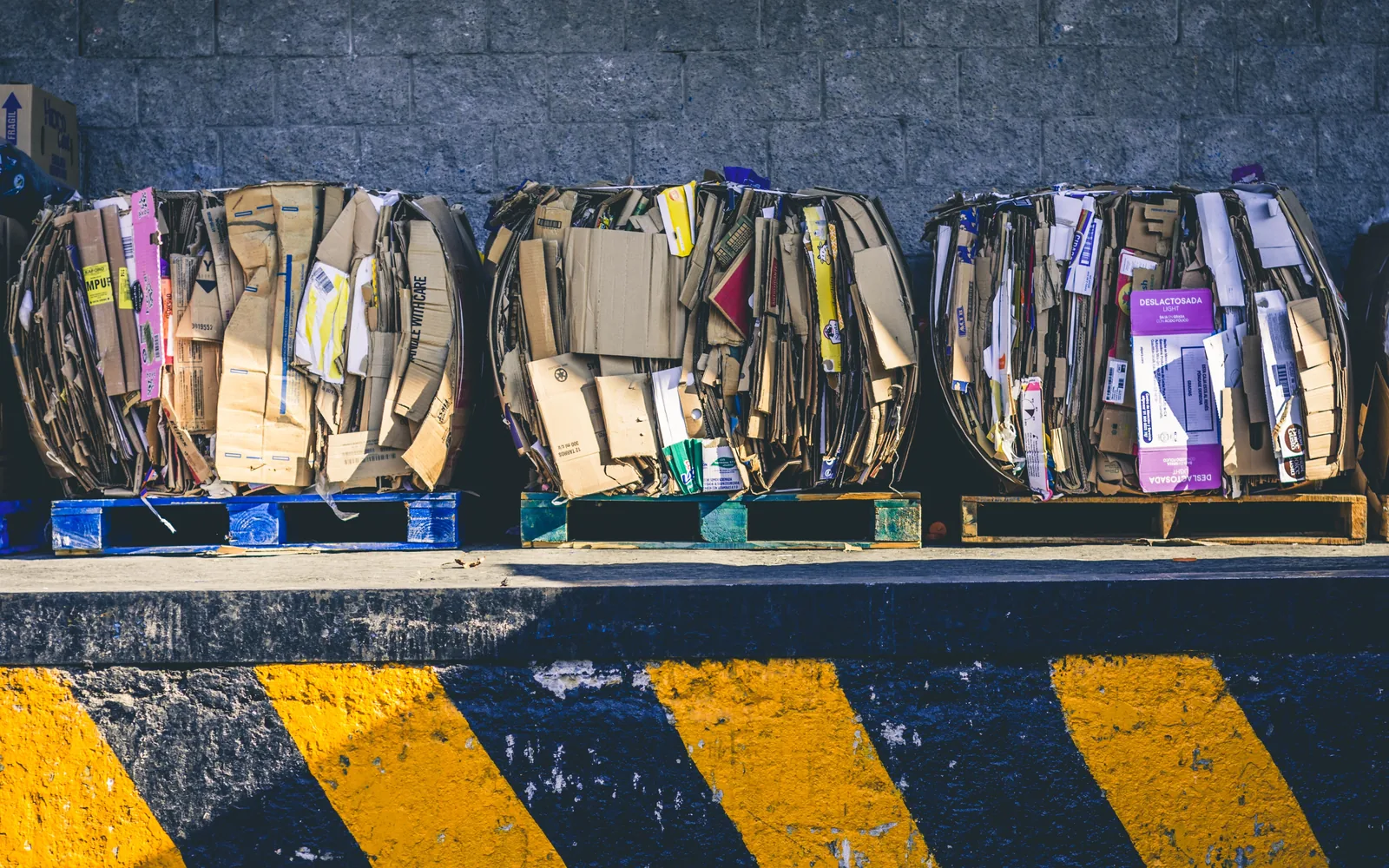
But the problem is not only the straws – it is also industry’s frequently misleading self-declarations. Packaging made of paper but coated with a film, for example, is by no means plastic-free or sustainable. Not even if the manufacturer writes “recyclable” or even “plastic-free” on it. Because the first term means thermal recovery, and the second is simply untrue. Coated cardboard can only be incinerated, because it contains plastic. Consumers are so far not protected against such misrepresentation, and there is no legal restriction on packaging materials yet either.
With an actual recycling rate of 80 per cent, glass and paper certainly have great potential. Yet such packaging is not automatically sustainable. Another major problem with cardboard remains, to this day, the use of adhesives, which are still made of plastic and for which there are so far no alternatives.
Product seals and clarity for consumers
Especially in this time of upheaval, consumers should be able to rely on independent seals such as flustix, which specialises quite clearly on the non-use of plastic alone. Avoidance comes before recovery. Other consumer seals cannot match this clarity, because with seals such as “organic” or “fairtrade” many parameters are not equally well defined. With its plastic-free definition, flustix leaves little room for interpretation and, by labelling the end products, demands little research work from consumers.
Beyond that, our work as a consumer seal also involves clearly supporting business in the search for plastic-free alternatives and building a network. When we certify plastic-free suppliers through our independent testing system, we connect them with manufacturers from those sectors that are still in transition and looking for plastic-free suppliers. What works? Symbioses of business, politics and consumers. The framework for a plastic-free market has to be paved by policymakers, and supply simply has to adapt to demand. The plastics lobby’s instinct for self-preservation has no place here.
In the middle of the 20th century only around 1.7 million tonnes of plastics were produced worldwide each year. Today it is more than 335 million tonnes. And plastic never rots – it is an eternal material. So what do we do with this unimaginable quantity of plastic?
Germany – export, incinerate or recover plastic?
Germany is a country with a reasonably functioning waste management system. According to the German Society for Waste Management (DGAW), the recycling rate lies between 31 and 41 per cent, although the figures vary from organisation to organisation. The Federal Environment Ministry even arrives at a recycling rate of around 80 per cent, including commercial and industrial waste. Because of so-called “incorrect disposals”, 50 per cent of the recyclable material from the yellow bin system is not recovered at all but “thermally recycled”, in other words burned. The share of plastic waste actually recovered as material stands at a sad twelve per cent in this country. A sobering figure for Germany, which sees itself as the world champion of recycling, diligently separates its waste and returns its deposit bottles.
The fact is: an unacceptable share of our home-grown plastic waste still ends up in our rivers, seas and soil. Slowly policymakers are pushing back, wanting to ban single-use plastic and promote the circular economy. Plastic alternatives are already on the market, but it will unfortunately be some time before industry and the waste sector adapt to the new materials. One thing is certain, though: since China’s and Thailand’s import bans on plastic waste at the latest, we have had to ask ourselves how we can fundamentally rethink plastic in order not to drown in it ourselves.