
Debate over a German plastic tax: Europe already rewards recycled content
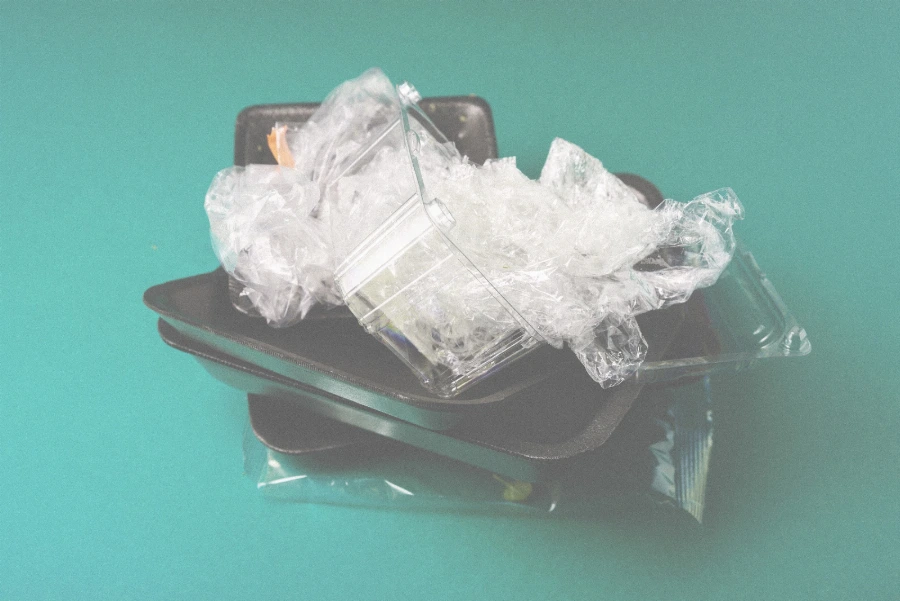
While Berlin is still arguing over a new levy, other countries are already creating facts on the ground, with financial advantages for verified recycled content. For manufacturers and brands, evidence of recycled content is thus becoming a factor with real economic weight.
Thirty-three business associations oppose it, and politicians are debating its timing and design: few packaging issues caused as much of a stir in Germany in October as the planned plastic tax. Yet while Berlin is still debating and people are saying off the record, “The tax is coming!”, Europe is well ahead. In several markets, verifiable recycled content already determines how high taxes and packaging fees turn out.
Germany: €550 per tonne, not yet adopted
A draft bill that has come to light provides for a levy of, in principle, €550 per tonne of plastic in certain packaging and films from July 2027. The plan follows on from the 2021 agreement to pass on Germany’s EU plastic contribution. The final decision has been postponed for now, so there is no adopted law and no specific start date yet.
The exact scope matters: for certain composite packaging made of paper, metal or textiles, as little as 50 grams of plastic per kilogram of packaging, that is exactly five per cent, is enough to fall under the draft (in line with the 95/5 rule from the PPWR). Certain films can also be covered regardless of their specific use. The levy is to be calculated on the plastic mass, not on the total weight of the composite. Relief for recycled content is planned, but how it will work and what evidence will be required have yet to be set out.
Germany’s European neighbours are already several steps ahead
Netherlands: recycling becomes a real price advantage
Verpact shows how concrete such an incentive can be. From January 2027, companies can save up to €0.78 per kilogram of packaging for qualifying plastic packaging under the “Circulaire Plastics” scheme, compared with a maximum of €0.20 in 2026. Those who also demonstrate design for recycling can receive a further €0.40. Combined, up to €1.18 per kilogram is possible, subject to the respective conditions.
This is not a flat bonus for every pack: plastic type, product type, PCR share, origin of the material and Verpact’s evidence rules determine the actual amount. For a suitable contact-sensitive PET pack, for example, as little as ten per cent qualifying post-consumer recyclate can trigger a reduction of €0.20 per kilogram of packaging. For 1,000 tonnes of such packaging, that would work out at €200,000 in fee relief, provided all conditions are met and independent evidence confirms it.
France and Spain: the evidence is worth hard cash
France rewards the use of suitable post-consumer recyclate through its IMPR bonus scheme. Depending on whether the material comes from a different extended producer responsibility scheme or from the same one, it provides in principle €450 or €550 respectively per tonne of eligible recyclate. For 300 tonnes of qualifying material from the same scheme, that works out at a gross bonus of €165,000. Traceability, material type and geographical requirements are among the decisive factors. An additional French levy on plastic packaging from 2027 is being debated in parliament but has not been adopted.
Spain has already gone a step further: since 2023, €450 per tonne of non-recycled plastic has been levied on non-reusable packaging within scope. Recognised recyclate reduces the taxable quantity. For 1,000 tonnes of plastic with 30 per cent properly certified recyclate, the tax saving works out at €135,000. For this, the Spanish tax authority requires evidence from suitably accredited bodies on the basis of UNE-EN 15343, the standard flustix RECYCLED certifies against.
2027 will be decisive in further markets
Italy, too, now plans to start its repeatedly postponed plastic tax of €450 per tonne of non-recycled material on 1 January 2027. From April 2027, the United Kingdom is changing how production waste counts towards recycled content under its Plastic Packaging Tax and is introducing a mass balance route for chemically recycled plastics. The Czech Republic already differentiates EKO-KOM fees in favour of certain rPET applications. Austria, by contrast, has dropped its tax project, while Poland is reforming extended producer responsibility. There is no single “European plastic tax”, but there is a trend towards putting a financial value on material composition.
What flustix RECYCLED can contribute
One question is therefore becoming ever more important for companies: can they independently substantiate the recycled content they use and where it comes from? This is exactly where flustix RECYCLED comes in. The programme links the determination of recycled content with documented traceability and independent certification under the relevant framework of UNE-EN 15343 and ISO 22095. This creates a solid basis for compliance, customer requirements and potential financial benefits.
Every country and every EPR scheme defines its own requirements, material categories and recognition procedures. But one thing is clear: companies that have their supply chain independently certified, review it early and document it accordingly can turn a regulatory obligation into a measurable financial competitive advantage.
How recycled content is verified along the supply chain with flustix RECYCLED, and what that means for the bonus in France and the tax in Spain, is set out on the programme page.
Sources
- DIHK: statement by 33 associations
- Germany: assessment of the draft bill (WTS)
- Verpact: rates and recycled content discounts 2027
- France: official FAQ on the IMPR bonus
- France: parliamentary tax amendment 2027
- Spanish tax authority: tax rate and evidence
- Italy: parliamentary documents on the planned 2027 tax start
- United Kingdom: changes from April 2027