INDEPENDENT. RECOGNIZED. SECURE.
Legally sound certification:
Free Claim Checkflustix blog
23 articles in this category.
Since 27 September 2026 the new rules on environmental claims also apply to goods produced, ordered or shipped long before. There is no general sell-through period. For genuine transitional problems, however, Europe’s consumer authorities have described a proportionate approach.

The first major PPWR milestones fall in 2030. For many packs, however, the decisive choices are being made today: in design, in new tooling, in material approvals and in long-term supply contracts.

For recycled content the evidence decides the Plastic Packaging Tax. For PFAS, new requirements are emerging for monitoring, procurement and product testing. Both lead to the same question: can the claim be substantiated for the actual product?
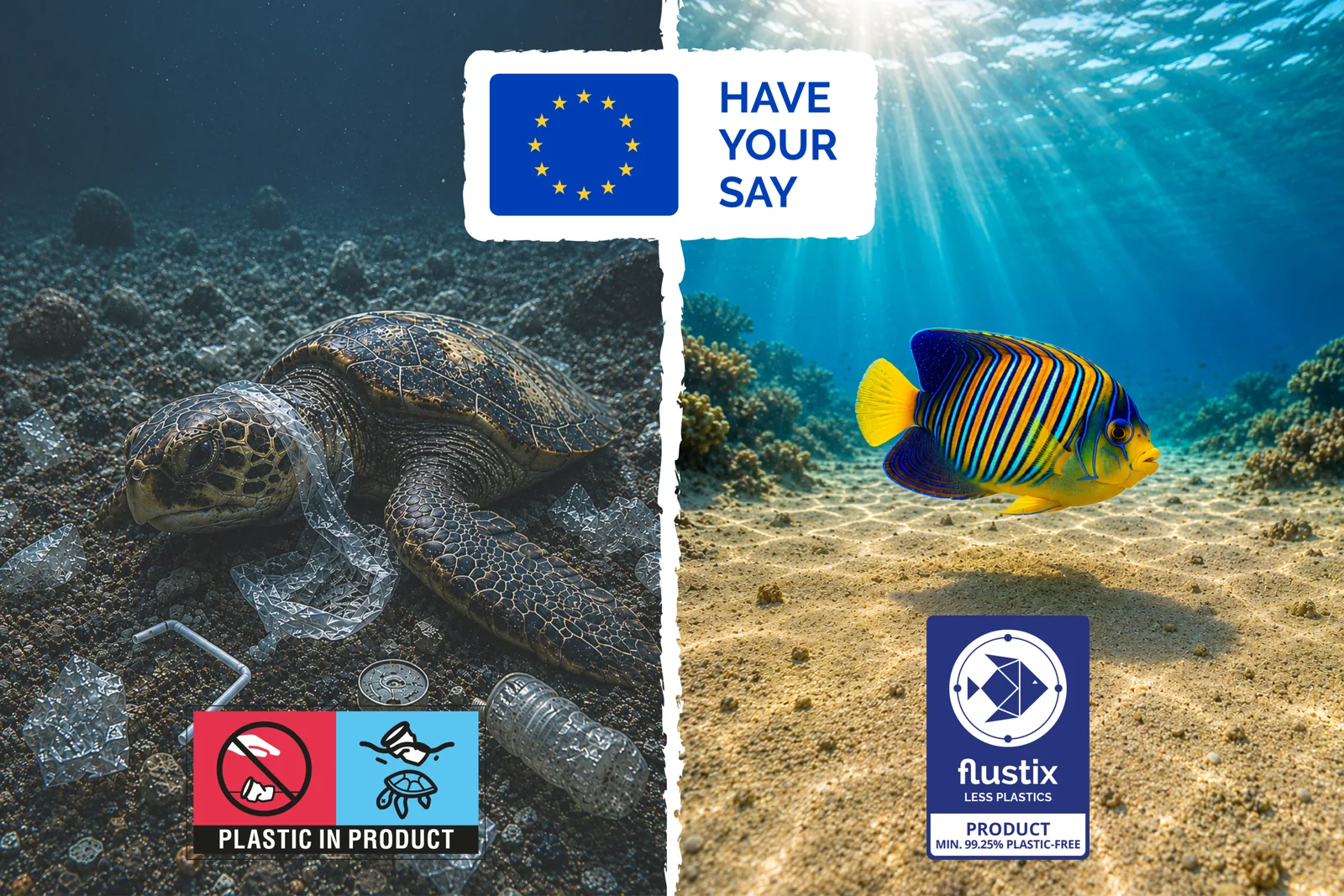
As part of the EU “Have Your Say” consultation on the evaluation of the Single-Use Plastics Directive (SUPD), we submitted our position paper focusing on one key issue: the current lack of a quantitative assessment logic for minimal polymer contents in fibre-based products. Clear, transparent and enforceable criteria are needed to preserve the innovative intention …
The SUPD has reached a point, four years and four months into practical application, where uncertainty is slowing innovation. Now is the moment to refine the directive scientifically – and finally provide Europe with a clear, practical polymer threshold. Why Europe now needs a clear polymer threshold – and why the SUPD cannot function without …
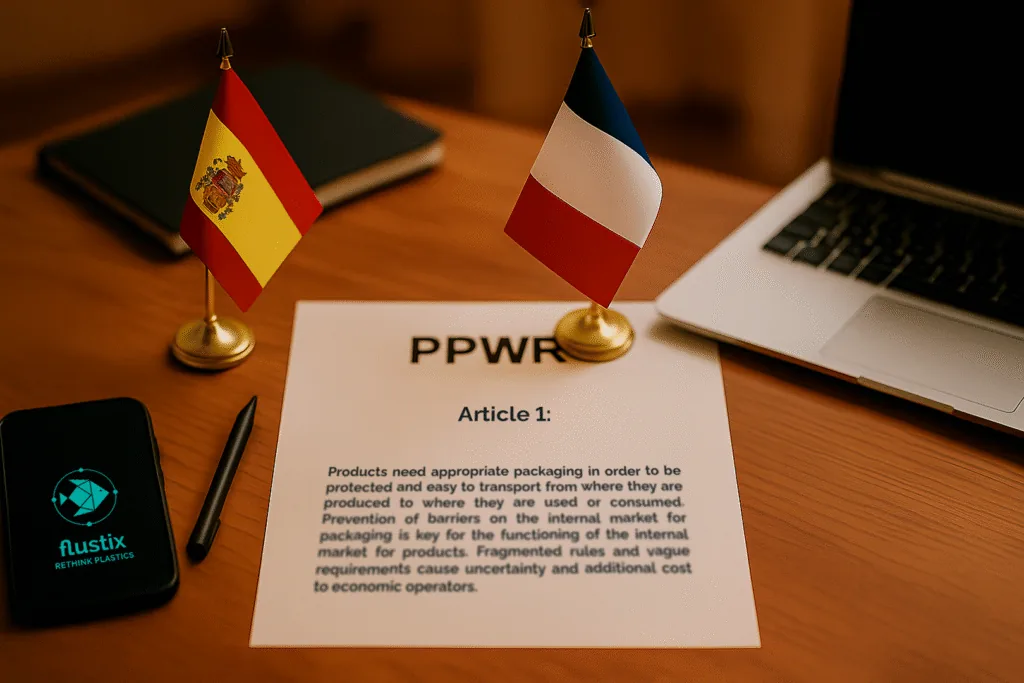
France will pay high bonuses for recycled content starting in 2026, while Spain is already reducing the tax burden for companies via its plastic tax. The decisive factor: only certified recycled content will be recognised. With flustix RECYCLED, you secure PPWR compliance, financial advantages – and full regulatory certainty. Cash for Circularity – how independent …
Europe is restructuring its sustainability claims: EmpCo creates clarity, courts are following suit – and for the first time, real financial benefits emerge for companies with robust evidence. Those who document cleanly today will gain credibility, efficiency and budget advantages tomorrow. EmpCo creates clear rules and new financial opportunities The 27 EU Member States are …
No inconsistent, unreliable or opportunistic politics – we need a clear course for nature, the climate, and the economy. Turning away from the Green Deal would cause far greater long-term harm than any short-term relief it may seem to offer. Since the launch of the European Green Deal in 2019, companies worldwide have invested billions …
The trend is unbroken: With ever new collections for little money, international cheap fashion producers are firing up the clothing market. The result: textiles are often of inferior quality, short-lived and unsuitable for recycling. The social aspects are also devastating: The seamstresses in the Asian production countries are treated and paid inhumane – which …
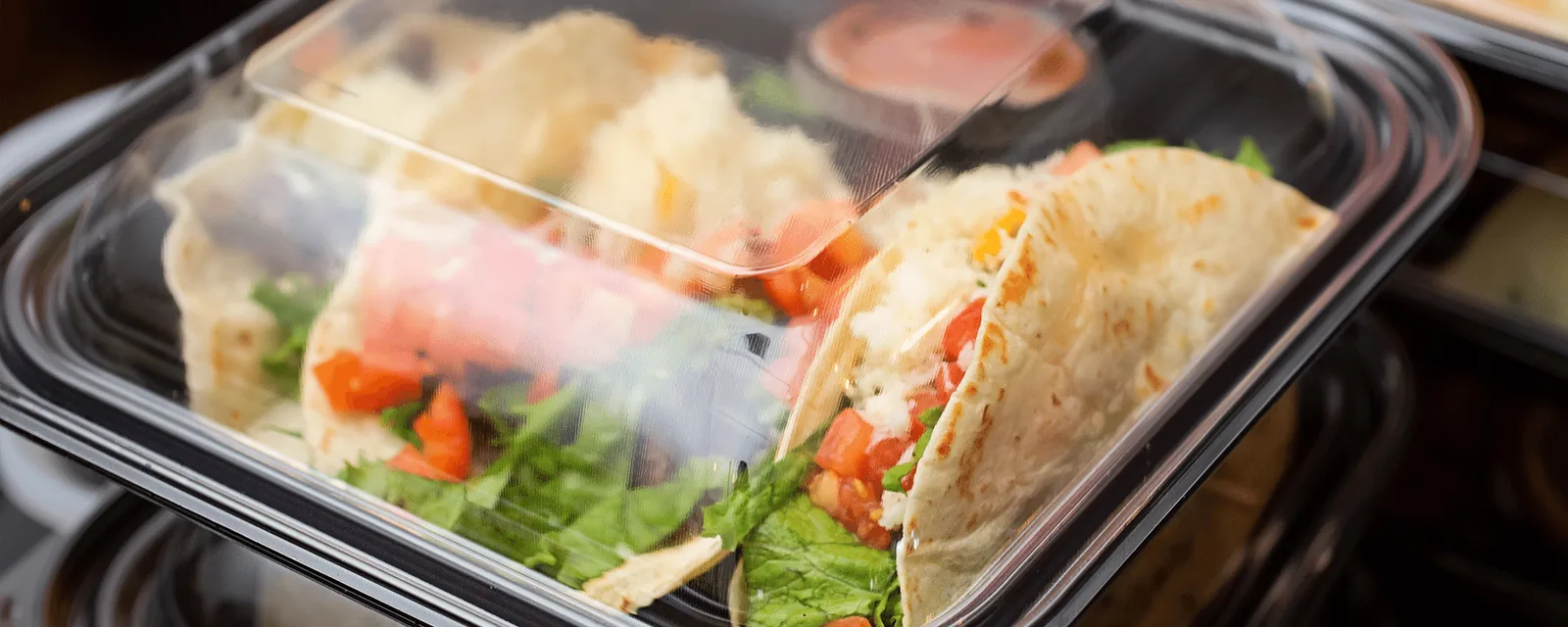
The non-recyclable mountain of waste is huge: every hour in Germany, hundreds of thousands of plastic-coated coffee-to-go cups and takeaway trays with a high plastic content get emptied – after which they are thrown away and go straight into the incinerator. 13 billion pieces per year! From January 2023, a new law aims to …
From “climate-positive” to “plastic-negative” – clever marketing professionals cannot be accused of lacking creativity when it comes to putting a product’s alleged sustainability attributes in the shop window. The upcoming amendment of the EU Consumer Protection Regulation will also regulate green claiming in the future and will put the brakes on such pseudo eco-promises. …

When it comes to PET bottles, we are world champions. We get 25 cents per bottle, so nothing is left lying around. The return rate is more than 97 percent. The recycled material is unmixed and in demand like hotcakes: Foil manufacturers, textile producers and other industries are scrambling for the old bottles to increase …
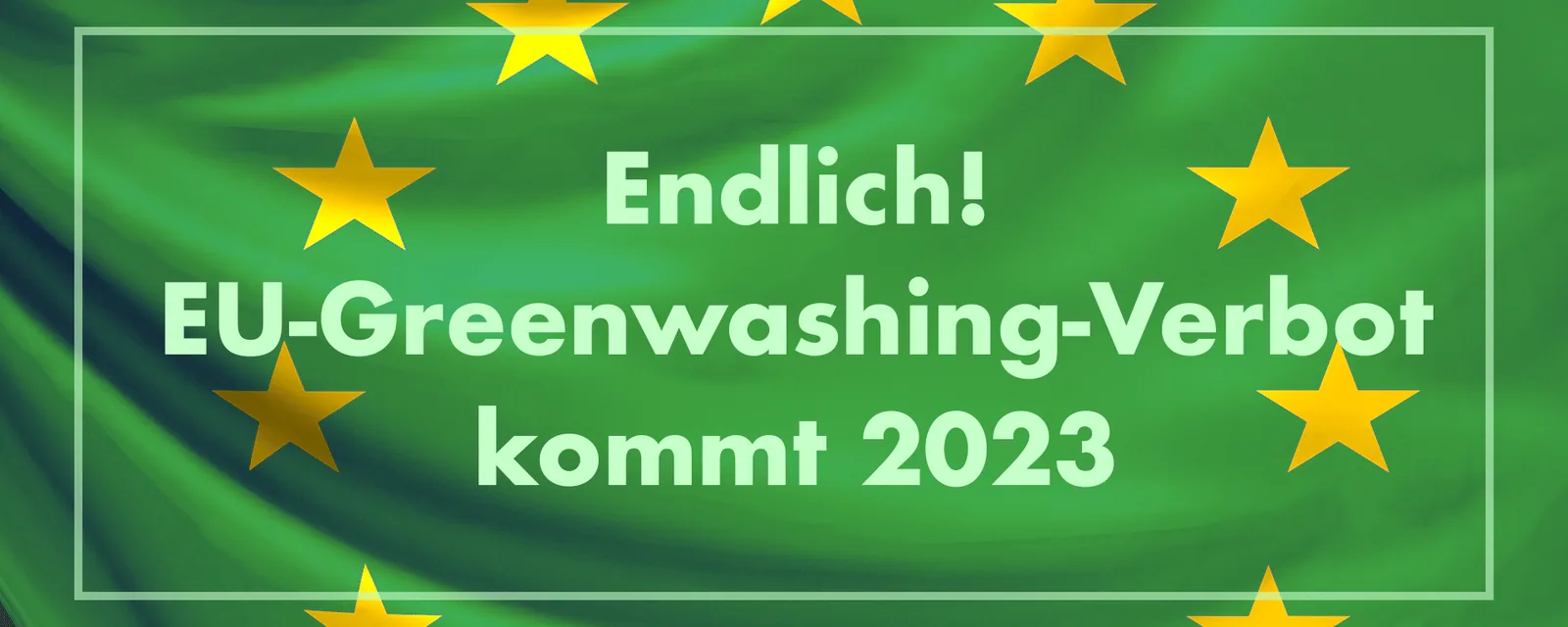
Climate-friendly and sustainable – what exactly is that? In Germany, almost any product or service can be advertised with green slogans, regardless of whether it has an impact on the environment. This will soon come to an end: the EU is working on an anti-greenwashing law. It’s about time. Because the green promises of some …
Imagine you discover a valuable painting in your grandparents’ attic. What do you do with it? Easy. Because it’s all dusty, covered in cobwebs, and has some cracks at the corners of the frame, you take it to the trash and even pay money for it to go to the trash compactor quickly. Sounds bonkers, …
This must stop, demands Malte Biss, founder and CEO of flustix. Here he explains what effects the hidden subsidies have.By Malte Biss Bundesumweltministerin Steffi Lemke will mit einer Plastikabgabe die Nachfrage nach Rezyklaten, also nach Produkten, die aus recycelten Materialien gewonnen werden, ankurbeln. So eine Maßnahme können wir von flustix nur unterstützen. Wir stehen dafür …
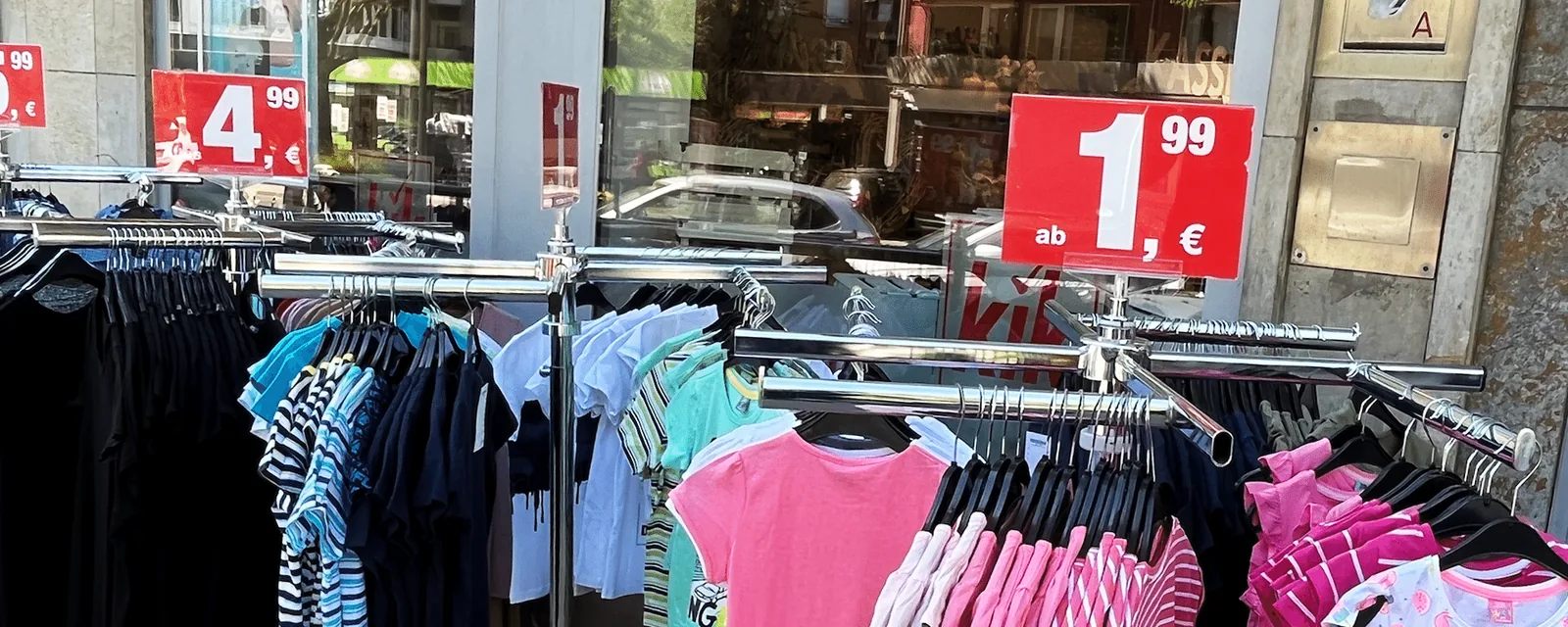
Fast fashion is one of the biggest environmental sins of industrialized nations: Every second, a truckload of textiles is disposed of in waste incineration plants. This will soon be a thing of the past: The EU is tightening the ecological requirements for textiles. From 2030, only high-quality, recyclable textiles produced under fair conditions may be …
Great Britain is stepping up the fight against the plastic flood: on April 1, the plastic tax came into effect in the United Kingdom. flustix founder Malte Biss explains what this has to do with bioplastics and who will end up paying the bill – here in the blog, and in an interview with the …

The UK Plastic Tax came into force on April 1, 2022. The aim of the new plastic tax is to create an economic incentive for the use of recyclates and alternative, plastic-free materials. This is intended to strengthen the circular economy and reduce the burden on the environment. Less waste, fewer landfills, fewer emissions, according …
Our flustix blog author Elisabeth Fritsch examines the EU regulation and looks at what is coming, for whom, and at what is being praised or criticised: who pays, who wins, who loses? First of all: the plastic levy came into force on 1 January this year. The name is a little misleading, because contrary to many reports this is NOT a tax. What …

Sustainability is the topic that continues to dominate in the period after coronavirus. Anyone who wants to score points at the point of sale has to show customers actions and be able to prove them. flustix continues to grow, and there is strong progress on subjects such as recognition, recommendation for public procurement, new product certifications and the relevance of seals within the circular economy. Read a few selected …

Shopping with the environment in mind is not always easy: little transparency on products usually also means spending more time shopping. Perhaps you have experienced the following situation yourself: you are standing in the supermarket in front of a shelf with countless products from different manufacturers and all sorts of brands in every conceivable variant. And all you want is to buy the product …
Good news for flustix! In a ruling, the Higher Regional Court of Munich has prohibited self-declaration using the claim “plastic-free”. Consumers must not be misled by unverified statements! The case: a manufacturer of coffee capsules advertised on pack with “plastic-free” and “without/no plastic” as well as with home compostability. A competitor took legal action and has now obtained a legally binding …
News from committees and current parliamentary initiatives. Single-use plastic is to become expensive and the recycling quota is to be doubled Petitions/committee. Source: hib – heute im bundestag no. 841 Berlin: (hib/HAU) The federal government supports efforts at European level to ban “pointless plastic packaging”. That was said by the parliamentary state secretary at the Federal Environment Ministry, Florian Pronold (SPD), during a public session of the petitions committee. …